All plant species
3 species CR
Agarwood
Aquilaria crassna Pierre ex Lecomte
Thymelaeaceae family
Agarwood is resinous, fragrant wood formed when Aquilaria trees are wounded and secrete resin as a defence. It is among the most prized fragrance materials in the world.
 NE
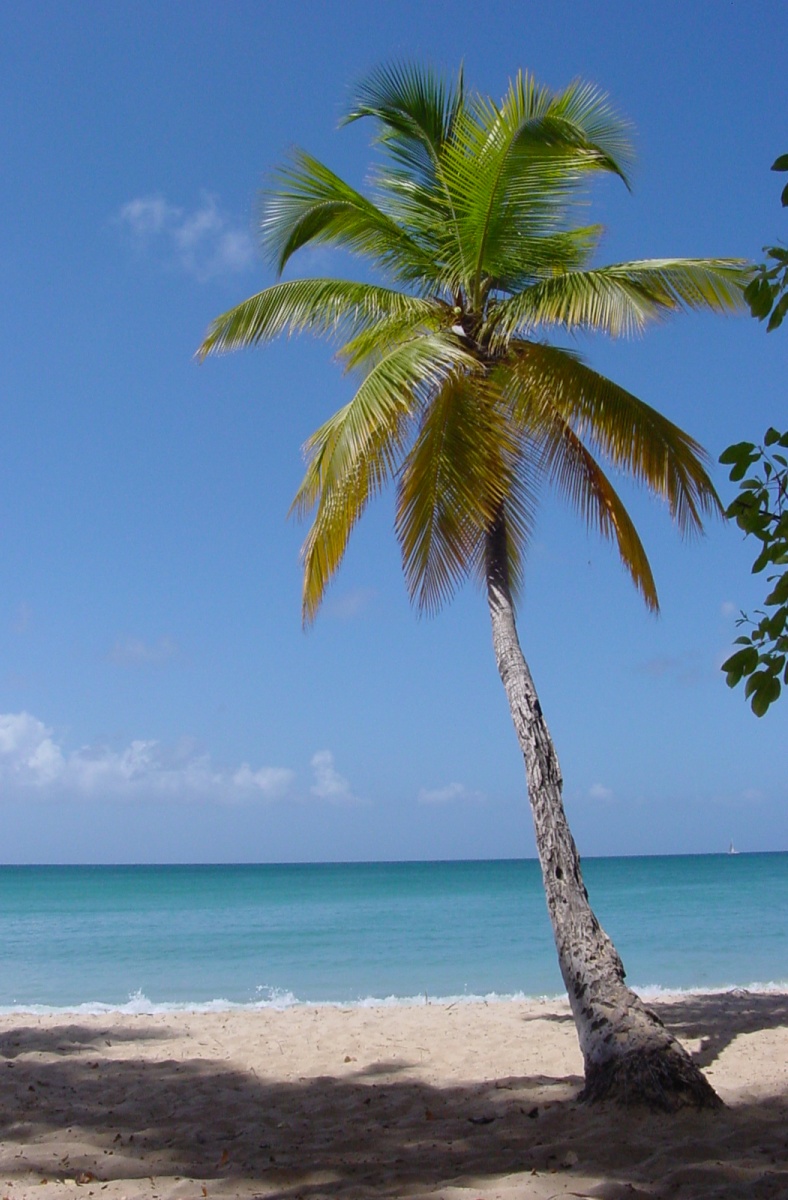
Coconut palm
Cocos nucifera L.
Arecaceae family
The coconut (Cocos nucifera L.) is a large tropical palm, the only living species of the genus Cocos (family Arecaceae), with a trunk up to 30 m and a drupe fruit that yields water, kernel, shell and fibre. According to Kew POWO its wild native range is Central Malesia to the SW Pacific; Austronesian peoples domesticated and spread it across the coastal tropics worldwide. Coconut oil is rich in medium-chain saturated fatty acids — lauric acid (C12:0) makes up about 45–50% — together with the MCTs caprylic (C8:0) and capric (C10:0) acids, while coconut water is rich in potassium and sugars. Almost every part is useful: water to drink, kernel as food, copra pressed for oil, coir for mats and brushes, shell for activated charcoal, leaves for wrapping and thatch.
 VU
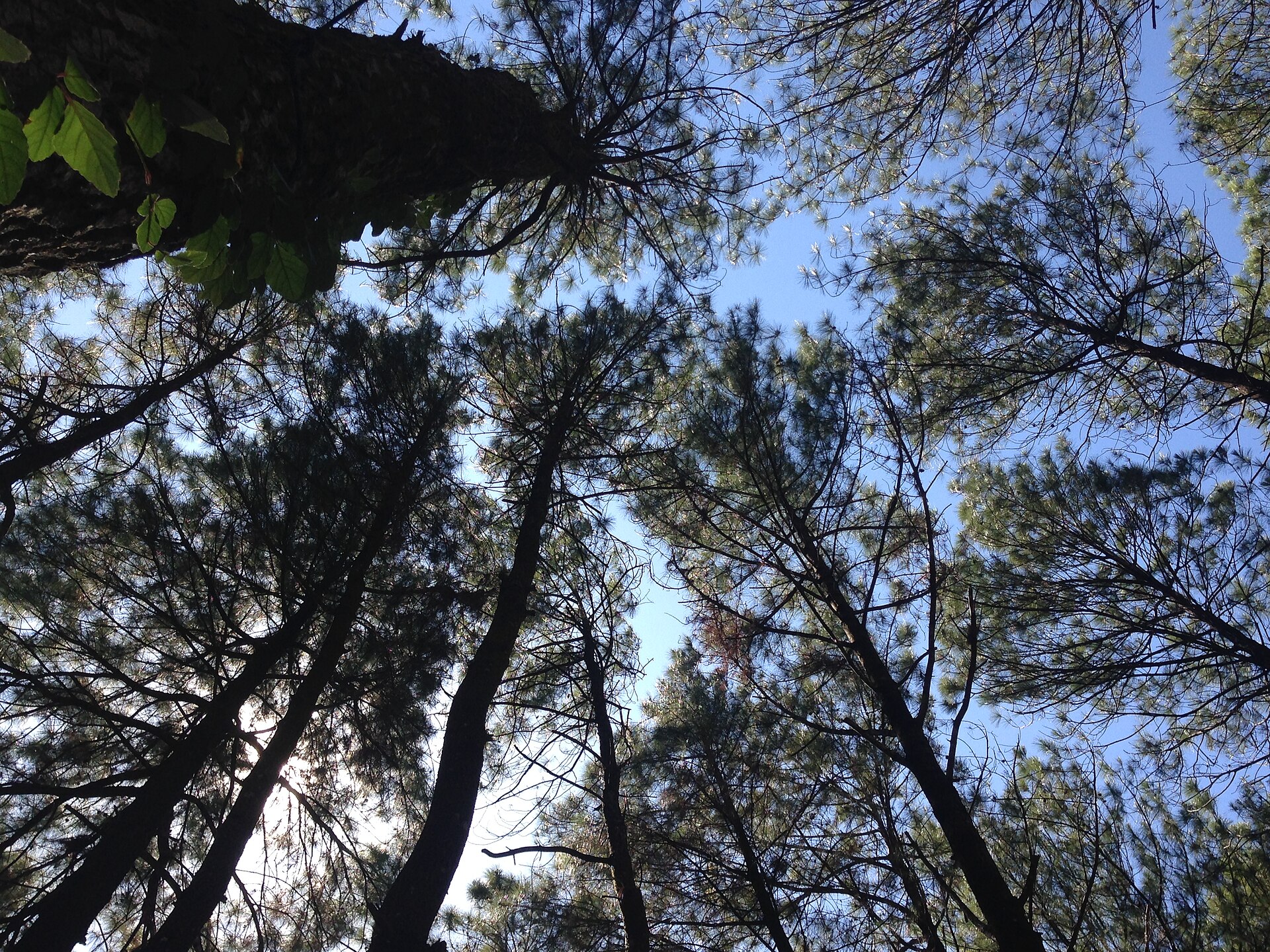
Merkus pine
Pinus merkusii Jungh. & de Vriese
Pinaceae family
Pinus merkusii (Merkus pine), also called Sumatran or Tenasserim pine, is a two-needled pine ranging from Myanmar and Thailand through Laos and Vietnam to Sumatra (Indonesia) — the only pine whose natural populations lie entirely south of the equator. It grows 20–40 m tall, has fire-resistant thick bark and forms open forests on poor soils. It yields resin rich in α-pinene and β-pinene, distilled into turpentine and rosin for paints, adhesives and paper, and its wood is used for poles, boards and pulp. IUCN lists it as Vulnerable (VU).