
All plant species
10 species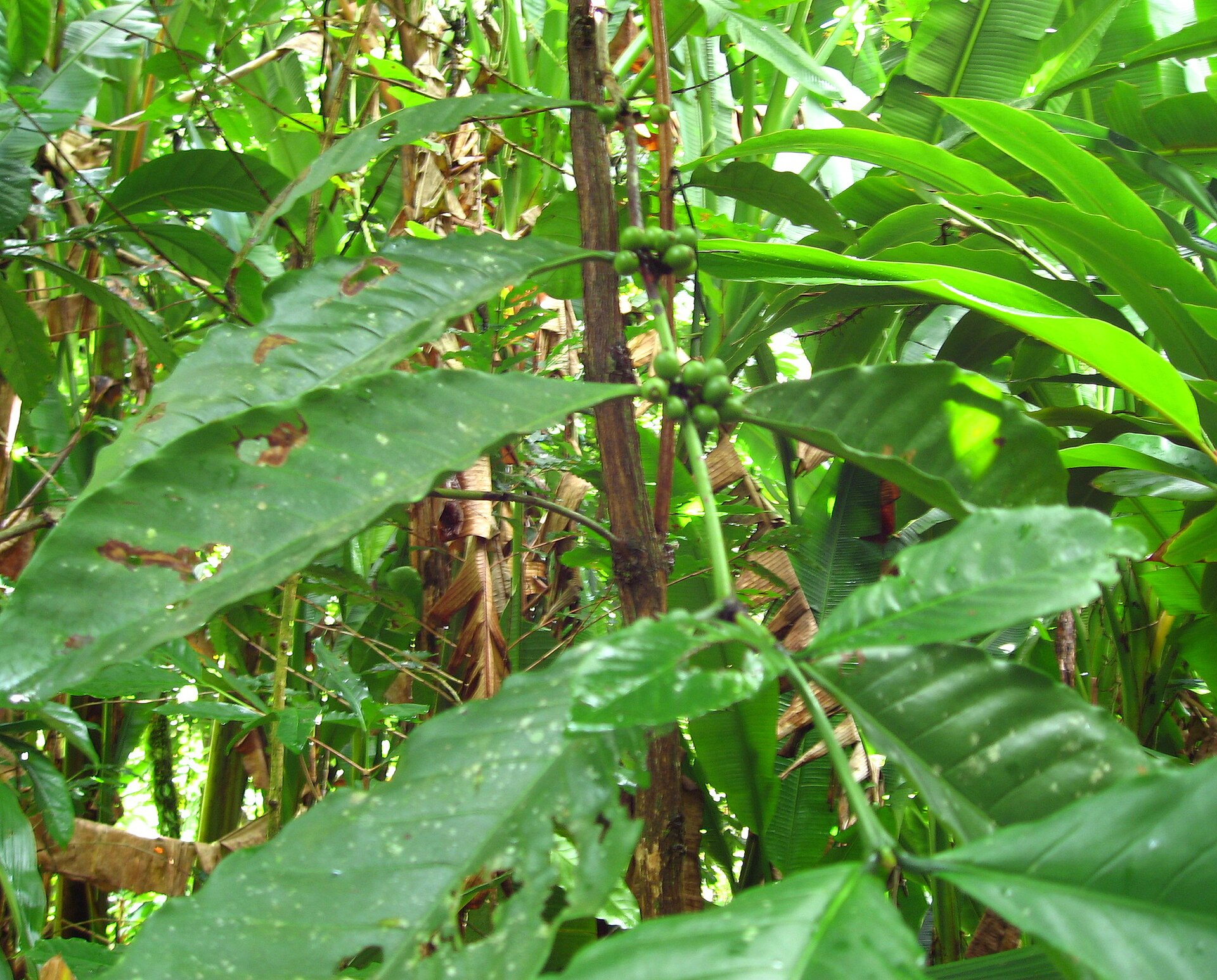 EN
Arabica coffee
Coffea arabica L.
Rubiaceae family
Arabica coffee (Coffea arabica L.) is a small evergreen tree in the coffee family (Rubiaceae) whose berry ('cherry') holds two coffee beans; it is the world's most widely grown coffee species, accounting for about 60% of global coffee products. According to Kew POWO its native range is E. South Sudan, SW. Ethiopia and N. Kenya (Mt. Marsabit), with Yemen as a secondary centre of spread from the 14th century. The bean contains caffeine (about 1.2–1.5% of dry weight) and chlorogenic acids (5–8%), plus trigonelline and the diterpenes cafestol/kahweol that shape flavour and aroma. In Vietnam, coffee is the key cash crop of the Central Highlands (Dak Lak, Lam Dong, Gia Lai, Dak Nong).
 NE
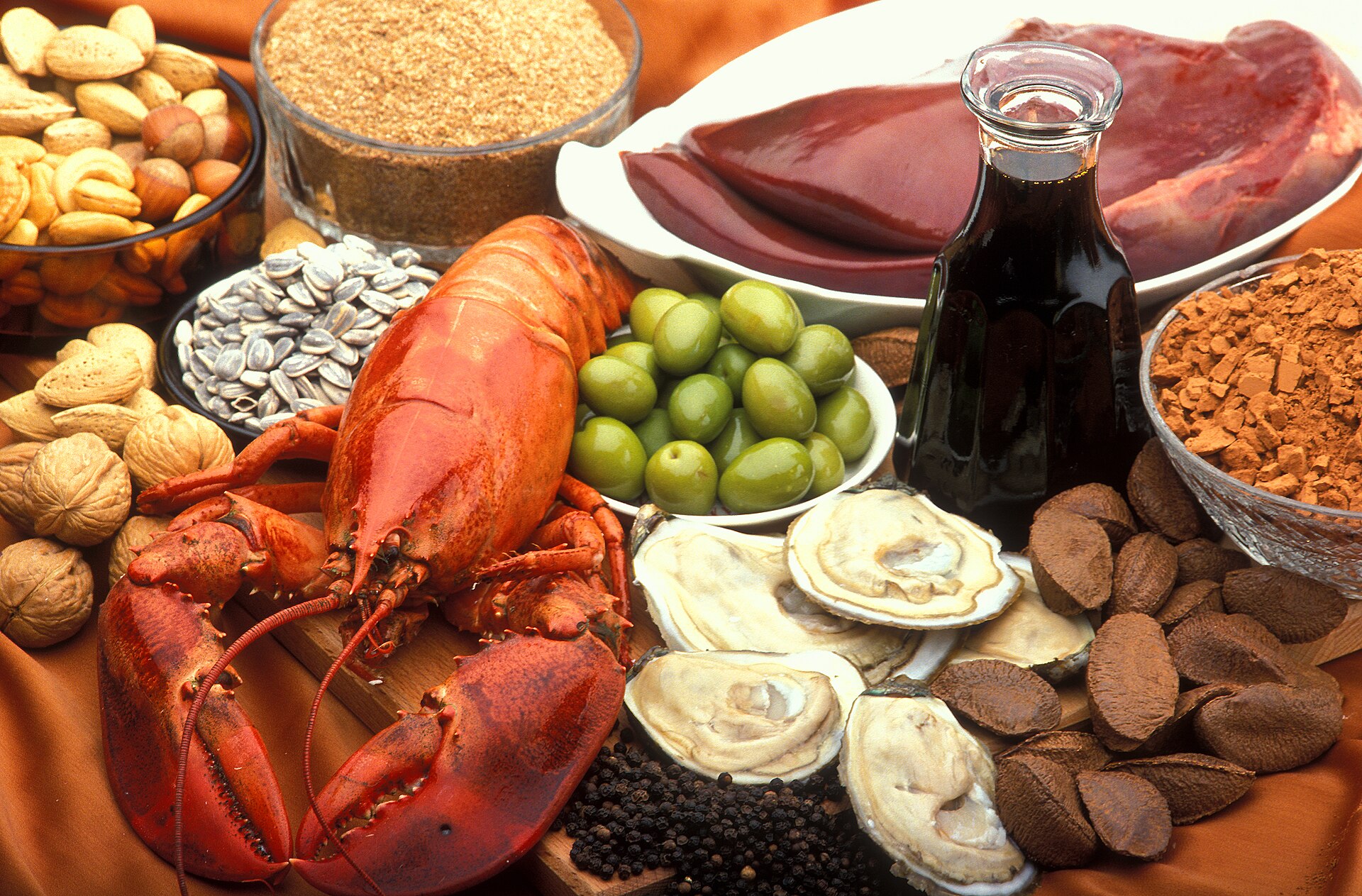
Black pepper
Piper nigrum L.
Piperaceae family
Black pepper (Piper nigrum L.) is an evergreen woody climbing vine of the pepper family (Piperaceae) whose small drupes ripen red in spikes and dry to give black or white pepper — the most traded spice in the world, known as the 'king of spices'. According to Plants of the World Online (Kew POWO) the recorded native range is Sri Lanka, while Kew's Species Profile gives the Malabar coast (Kerala, India) as its origin; recent evidence suggests a centre of origin in the Western Ghats–Sri Lanka region. The pungent alkaloid piperine (2–7% of dry weight) is the signature active, together with the essential oil (β-caryophyllene, limonene, sabinene). Vietnam is the world's largest producer and exporter of black pepper.
 NE
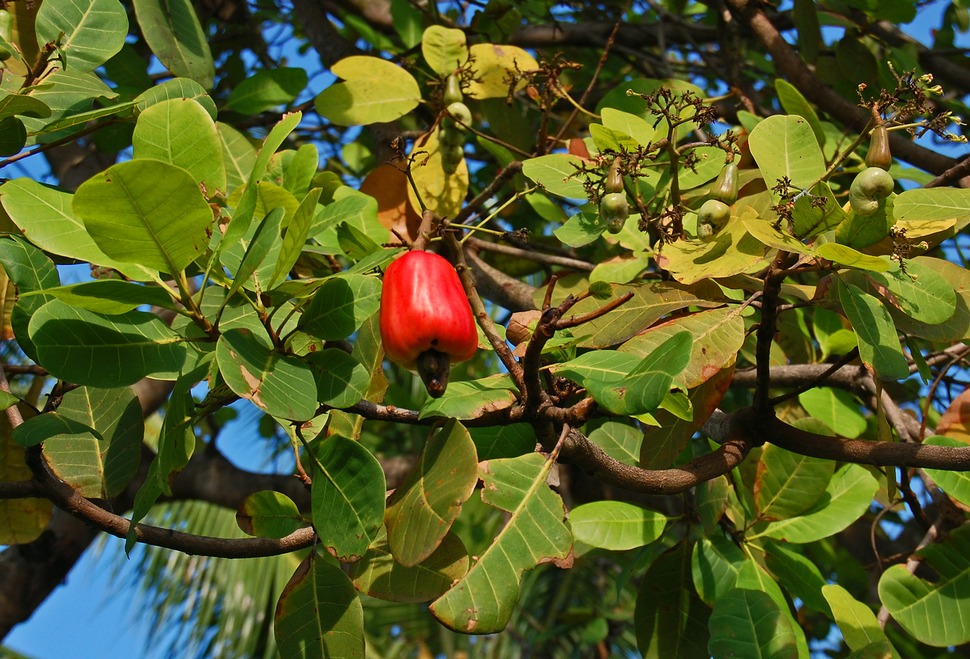
Cashew
Anacardium occidentale L.
Anacardiaceae family
Cashew (Anacardium occidentale L.) is an evergreen tree of the family Anacardiaceae, native to tropical South America (Brazil, especially the north-east). Its fruit consists of the 'cashew apple' — in fact the swollen pedicel and receptacle (a false fruit) — and the true fruit, a kidney-shaped drupe holding the seed. The shell liquid (CNSL) contains anacardic acid, cardol and cardanol, which cause contact dermatitis but are important industrial raw materials (epoxy resins, paints, brake linings); the kernel is rich in lipid (about 44%) and protein. In 2024 world production of raw cashew nuts was about 4.24 million tonnes, led by Ivory Coast and India; Vietnam is the world's largest processor and exporter of cashew kernels.
 NE
Cotton
Gossypium hirsutum L.
Malvaceae family
Upland cotton (Gossypium hirsutum L.) is a crop of the family Malvaceae and the source of the world’s single most important textile fibre. Native to Mexico and Central America and domesticated long ago, it is now the most widely grown cotton species, accounting for most global production. The fibre is almost pure cellulose; the seeds yield edible oil after refining but contain gossypol, a toxic compound once studied as a male contraceptive.
 NE
Devil's trumpet
Datura metel L.
Nightshade family
Datura contains highly toxic tropane alkaloids (scopolamine, atropine); the whole plant can cause delirium and hallucinations if ingested.
 LC
Jatropha
Jatropha curcas L.
Spurge family
Jatropha bears oil-rich, inedible seeds researched as a biodiesel feedstock and is also grown as a living fence.
 NE
Neem
Azadirachta indica A.Juss.
Mahogany family
Neem (Azadirachta indica) is an evergreen tree of the mahogany family with fragrant white flowers and oily drupes; the whole plant contains azadirachtin and is used in traditional medicine and biopesticides, widely grown in South Asia and Vietnam.
 NE
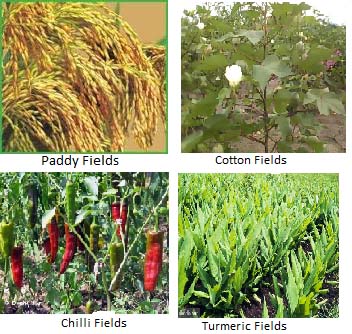
Nux vomica
Strychnos nux-vomica L.
Logania family
Nux vomica seeds contain the highly toxic strychnine, causing violent muscle spasms; it is among the most notorious poisonous plants.
 NE
Rice
Oryza sativa L.
Poaceae family
Rice (Oryza sativa L.) is an annual grass of the family Poaceae, the world's most important food crop and the staple for about half of humanity. It was domesticated from the wild ancestor Oryza rufipogon about 9,000 years ago in the Yangtze River basin; the two main groups are japonica (temperate) and indica (tropical). The grain is mainly starch (amylose 15–30%) with the storage protein oryzenin; rice bran oil contains gamma-oryzanol (a mixture of ferulic acid esters of phytosterols and triterpene alcohols), tocopherols and tocotrienols with antioxidant and blood-lipid-lowering effects. World production of milled rice is about 520 million tonnes a year, led by China and India; Vietnam's Mekong Delta grows two to three crops a year.
 NE
Sacred lotus
Nelumbo nucifera Gaertn.
Nelumbonaceae family
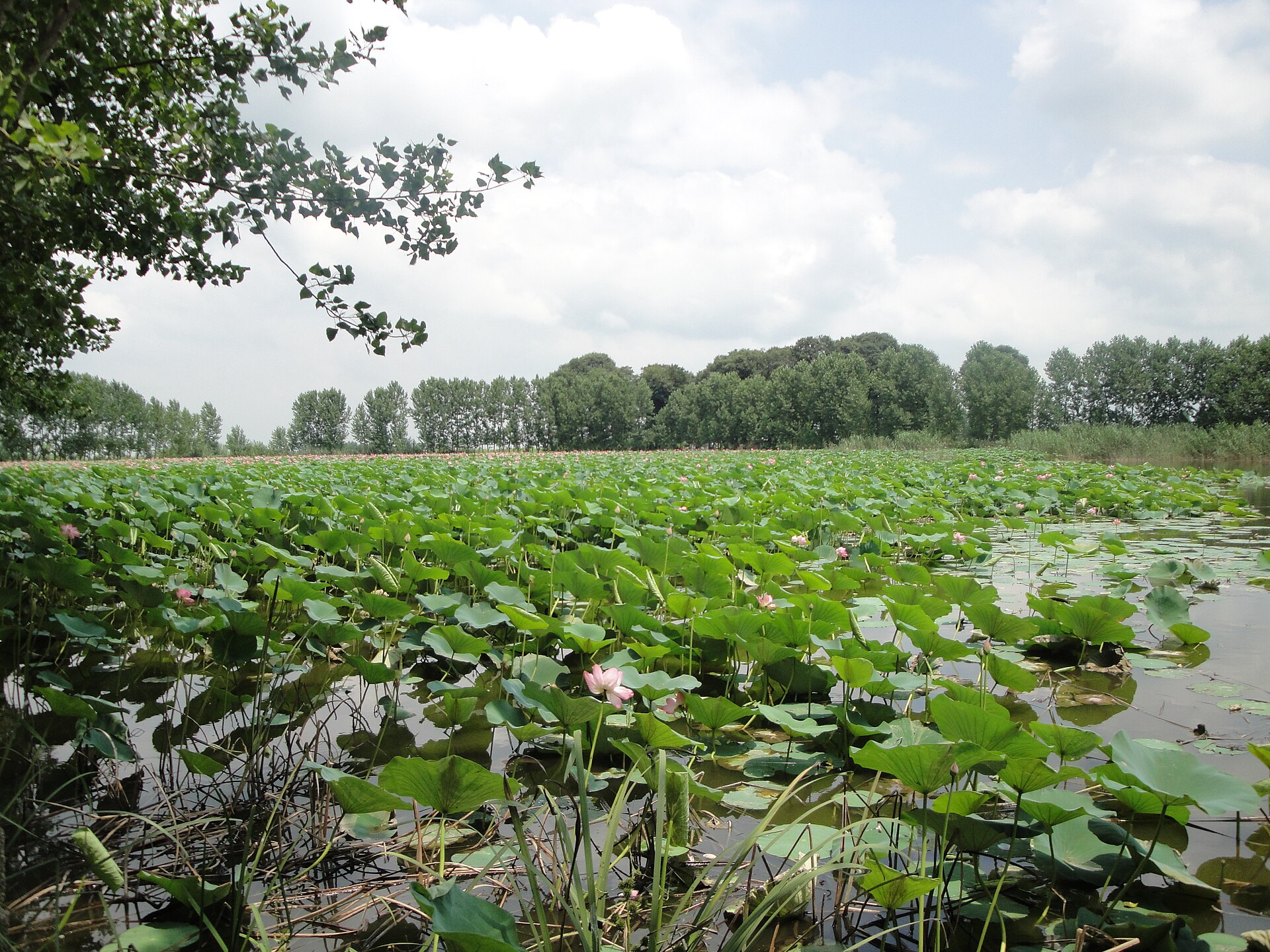
Sacred lotus (Nelumbo nucifera) is a rhizomatous aquatic herb with flowers 15–30 cm across and seeds that can germinate after more than 1,000 years. Its leaves are rich in nuciferine while the seed embryo (plumule) holds liensinine, isoliensinine and neferine, alkaloids studied for cardiovascular, metabolic and anticancer activity.