
All plant species
10 species CR
Agarwood
Aquilaria crassna Pierre ex Lecomte
Thymelaeaceae family
Agarwood is resinous, fragrant wood formed when Aquilaria trees are wounded and secrete resin as a defence. It is among the most prized fragrance materials in the world.
 NE
Arabian jasmine
Jasminum sambac (L.) Aiton
Oleaceae family
Arabian jasmine (Jasminum sambac) is a fragrant shrub of the olive family with white flowers that release a rich sweet scent at night — the raw material for jasmine tea and prized jasmine absolute in perfumery.
 NE
Blue gum
Eucalyptus globulus Labill.
Myrtaceae family
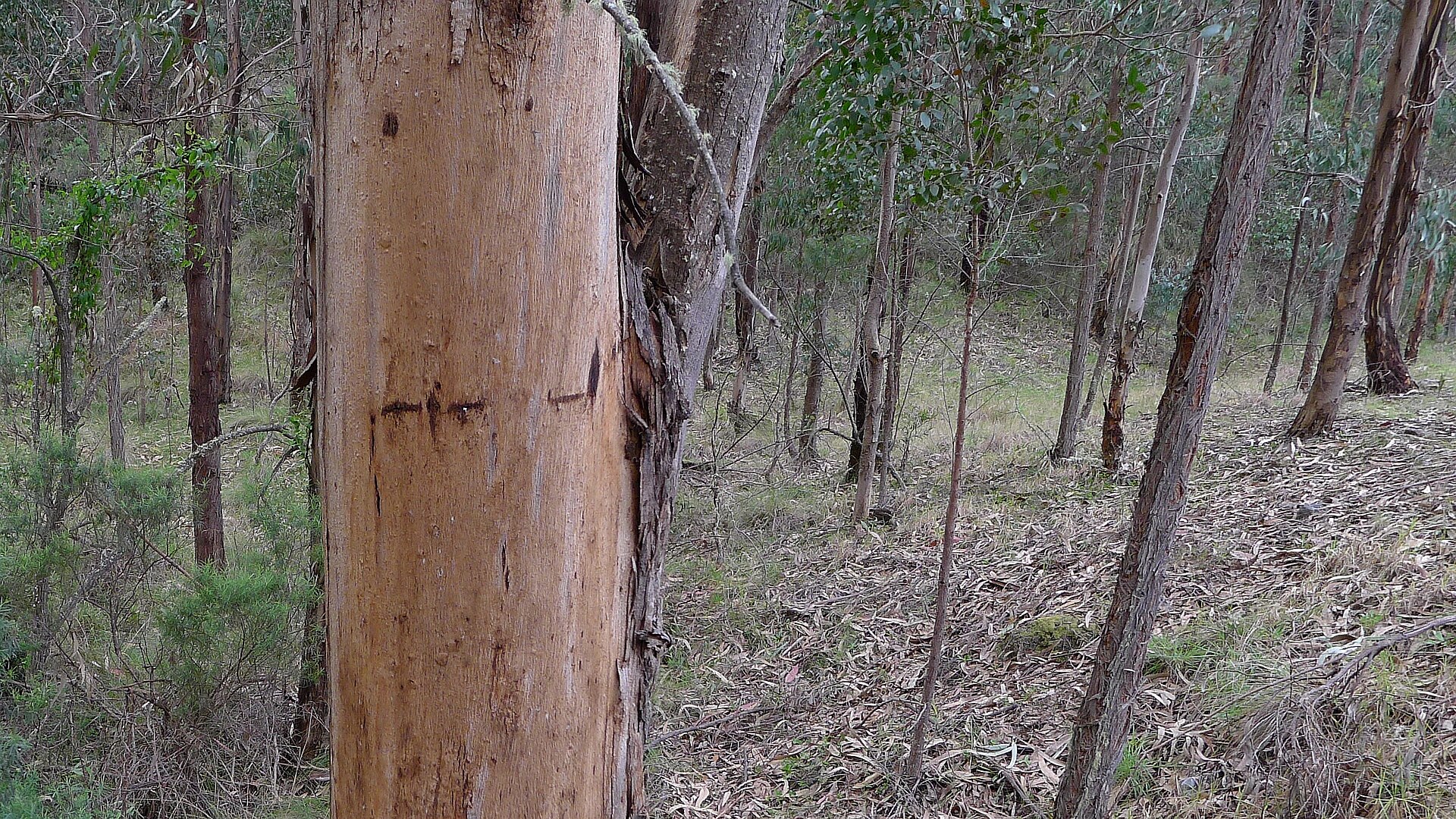
Blue gum (Eucalyptus globulus) is a large tree native to south-eastern Australia, producing leaf oil rich in eucalyptol (1,8-cineole) at 70–85% and ranking among the world's most widely planted pulp and timber trees.
 NE
Cassia
Cinnamomum cassia (L.) J.Presl
Lauraceae family
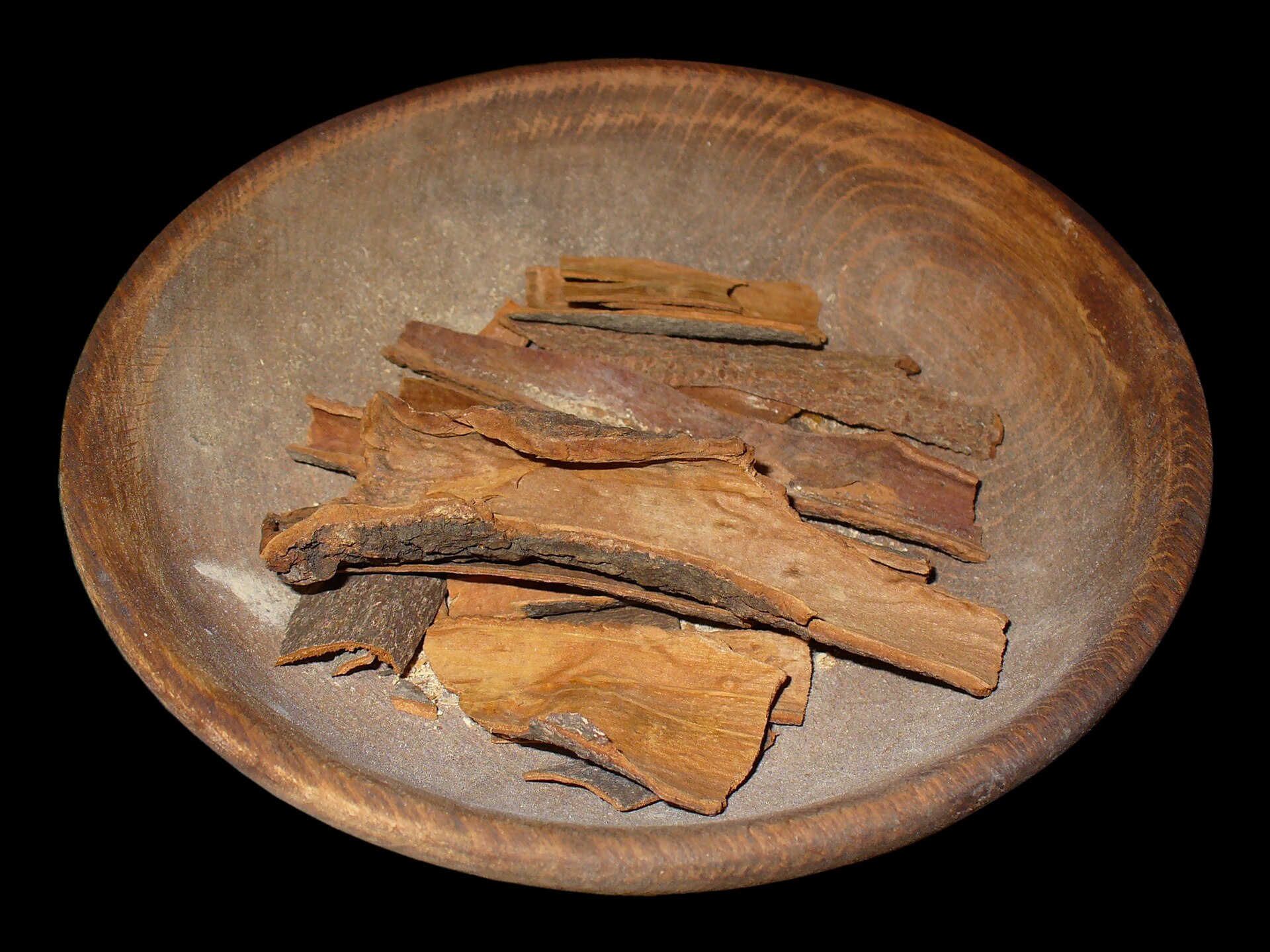
Cassia cinnamon (Cinnamomum cassia) is a small evergreen tree of the laurel family; its bark and leaves yield fragrant essential oil, and the dried rolled bark is the familiar cinnamon of cooking and traditional medicine; native to southern China–Southeast Asia, grown widely in Yên Bái and Quảng Nam (Vietnam).
 VU
Fujian cypress
Fokienia hodginsii (Dunn) A.Henry & H.H.Thomas
Cupressaceae family
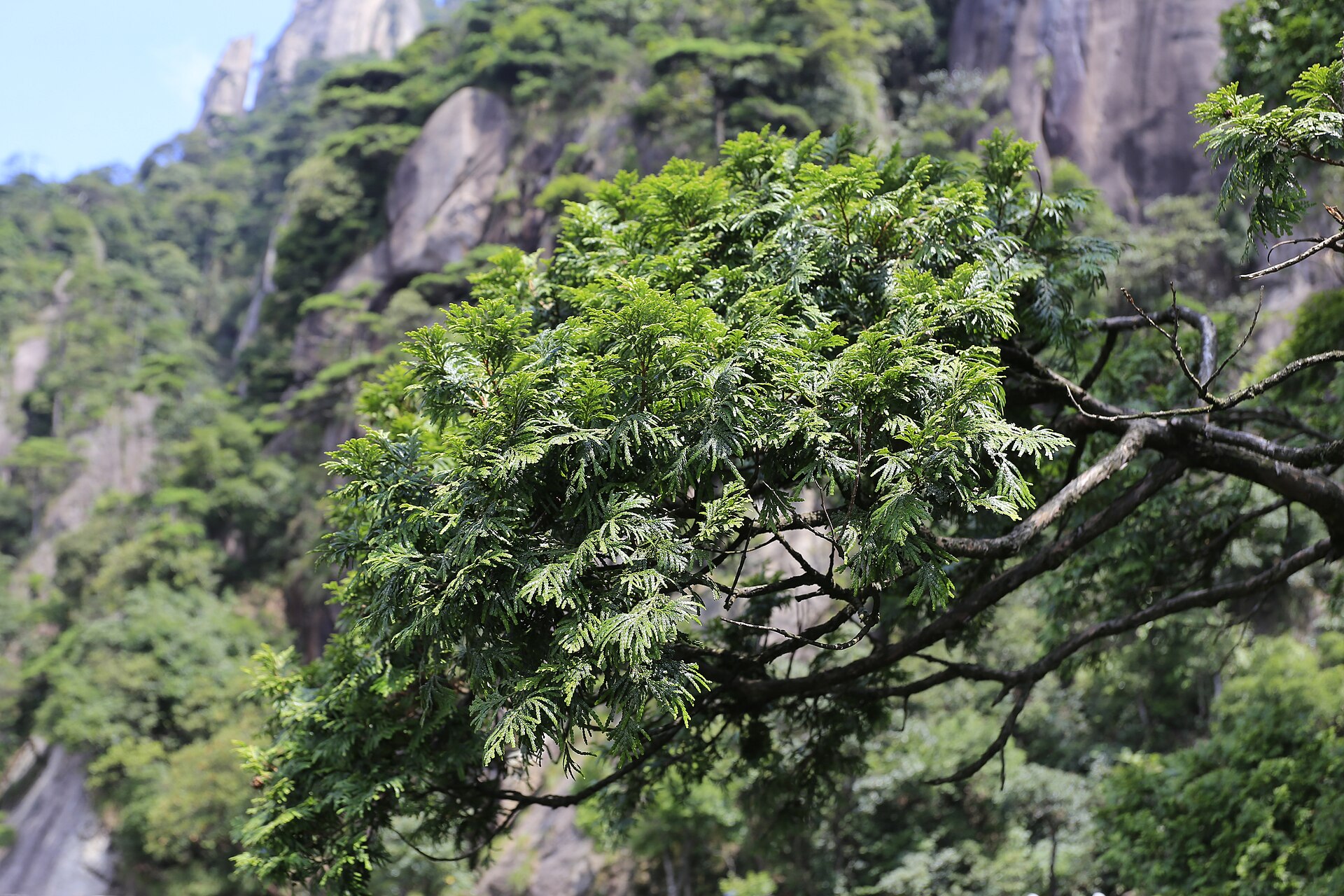
Fokienia hodginsii (Fujian cypress) is a prized cupressaceous conifer with light, fine-grained, aromatic, durable and termite-resistant wood, growing in humid montane closed evergreen forest in South-East Asia and southern China. It is an evergreen tree 20–30 m tall with a trunk that can exceed 1 m across and a conical crown; the scale-like leaves are aromatic when crushed. It is the sole species of its genus and a living relic of the Tertiary, ranging from China through Vietnam and Laos to Thailand and Myanmar. Over-exploitation of its timber led IUCN to list it as Vulnerable (VU).
 NE
Lavender
Lavandula angustifolia Mill.
Lamiaceae family
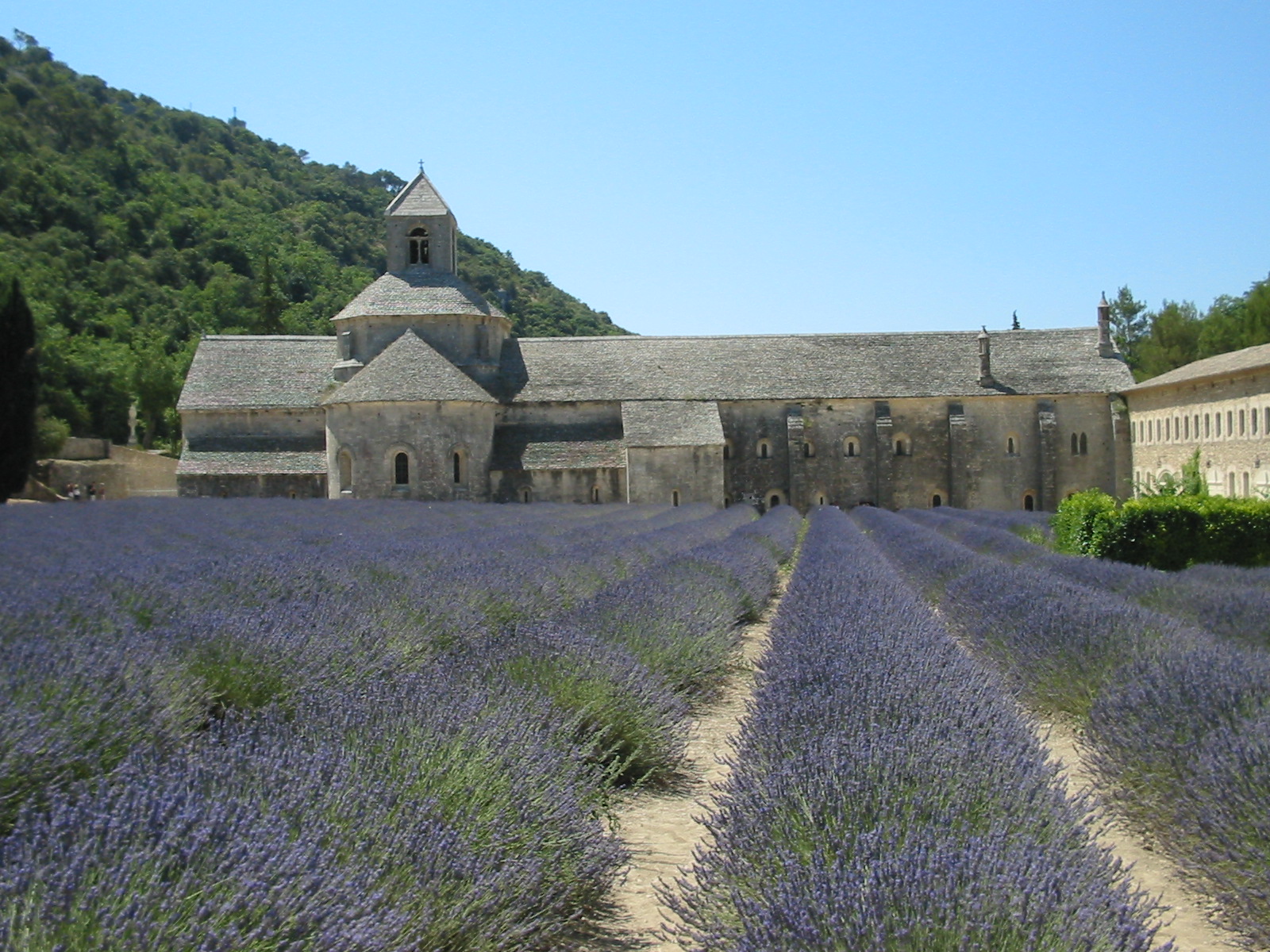
Lavender (Lavandula angustifolia Mill.) is a low aromatic subshrub of the mint family Lamiaceae, native from north-eastern Spain to Italy according to Kew's Plants of the World Online. True lavender oil is rich in linalool and linalyl acetate (60–75%) with low camphor, giving a clean, sweet floral note; it is a classic perfumery oil and an aromatherapy material studied clinically for anxiety, while the hybrid lavandin (Lavandula × intermedia) accounts for most industrial output.
 NE
Lemongrass
Cymbopogon citratus (DC.) Stapf
Poaceae family
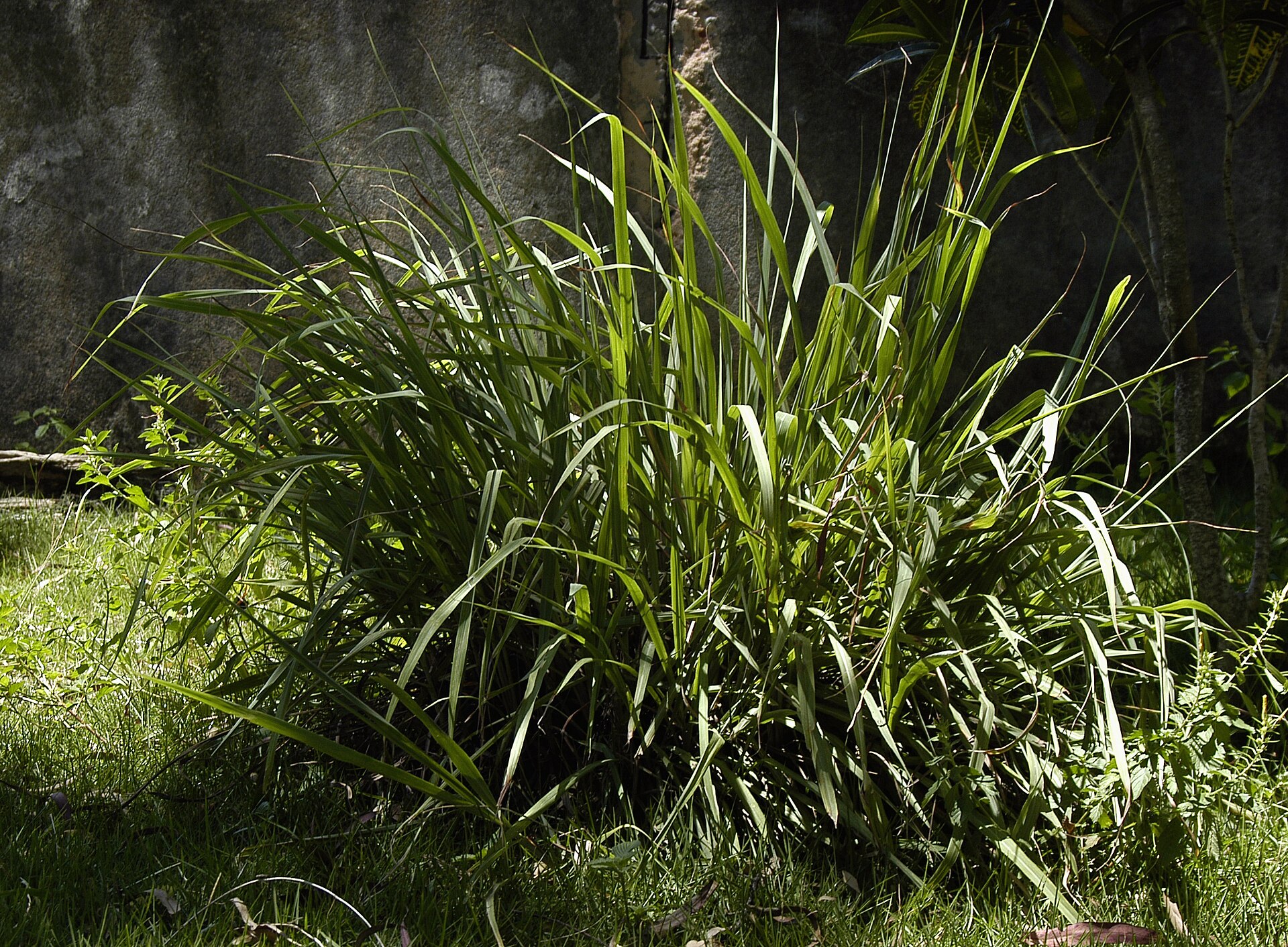
Lemongrass (Cymbopogon citratus) is a perennial aromatic grass forming dense tufts 1–1.5 m tall in the grass family Poaceae, native to South Asia (southern India and Sri Lanka) according to Kew's Plants of the World Online and now cultivated throughout the tropics. Its leaf oil is rich in citral — a geranial–neral mixture making up 65–85% — which gives the signature fresh-citrus note; the oil is a cornerstone of the fragrance industry and is being studied clinically for oral health and for controlling bacterial–fungal biofilms.
 NE
Mentha canadensis
Mentha canadensis L.
Lamiaceae family
Mentha canadensis is a species of mint native to North America (from the Northwest Territories to central Mexico) and the eastern part of Asia (from Siberia to Java).
 NE
Star anise
Illicium verum Hook.f.
Schisandraceae family
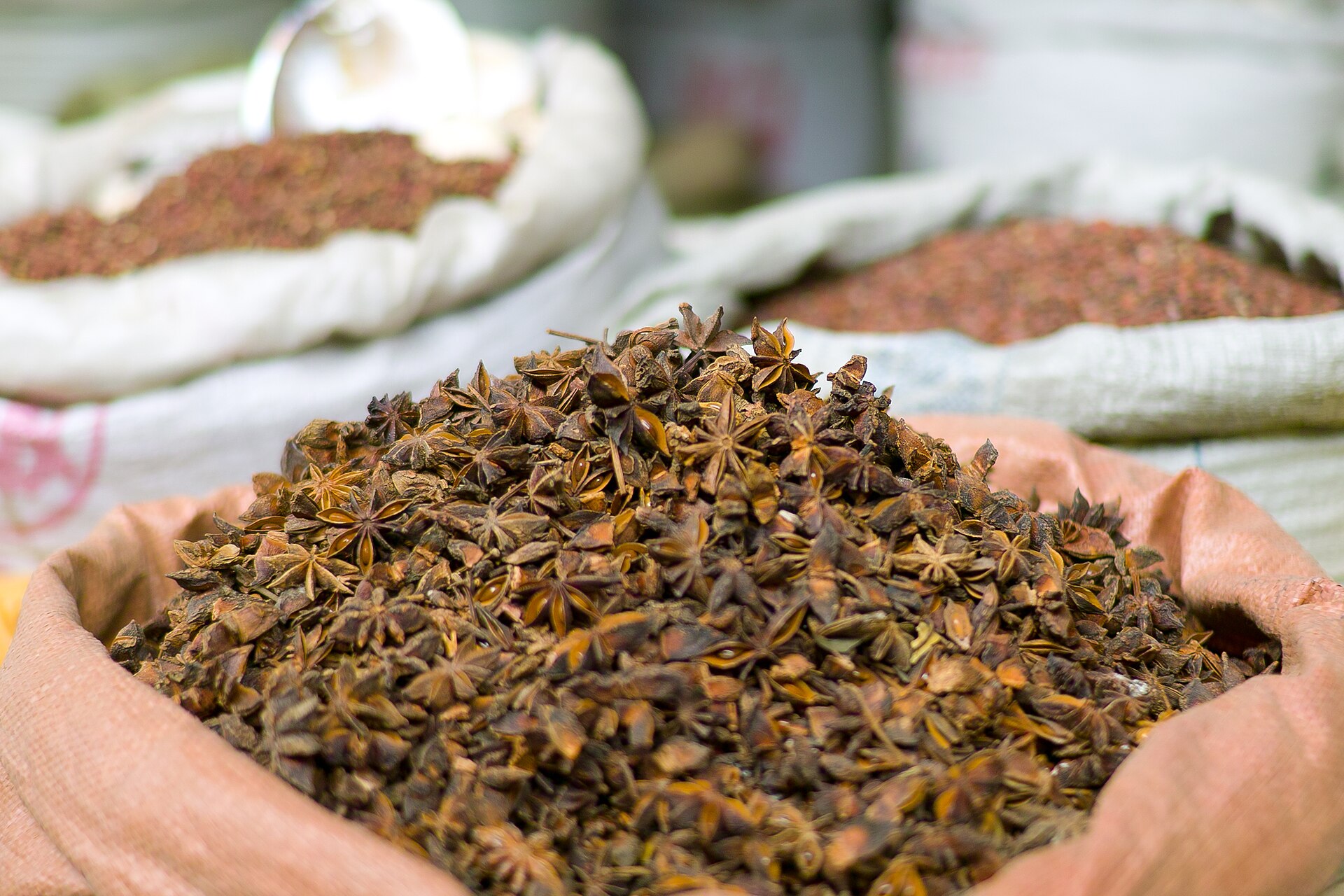
Star anise is the typically eight-lobed dried fruit of Illicium verum, an evergreen 8–15 m tree of the Schisandraceae family whose native range — according to Kew's Plants of the World Online — runs from southern and western Guangxi in China to northern Vietnam. Its fruit oil is over 80% trans-anethole, giving the sweet liquorice-like aroma; star anise is both a cornerstone spice of East and Southeast Asian cooking and the main industrial source of shikimic acid for synthesising oseltamivir (Tamiflu).
 LC
Tea tree
Melaleuca alternifolia (Maiden & Betche) Cheel
Myrtaceae family
Tea tree (Melaleuca alternifolia) is a shrub to small tree of the myrtle family (Myrtaceae) native to eastern Australia, famous for a strongly antibacterial essential oil whose main component is terpinen-4-ol. The leaves contain 1–2% oil; under standard ISO 4730, commercial tea tree oil must have at least 30% terpinen-4-ol and no more than 15% 1,8-cineole. The oil is used as an antiseptic, for skin and acne care, hair care, as an antifungal and as a natural cleaner. IUCN lists it as Least Concern (LC).