All plant species
19 species CR
Agarwood
Aquilaria crassna Pierre ex Lecomte
Thymelaeaceae family
Agarwood is resinous, fragrant wood formed when Aquilaria trees are wounded and secrete resin as a defence. It is among the most prized fragrance materials in the world.
 NE
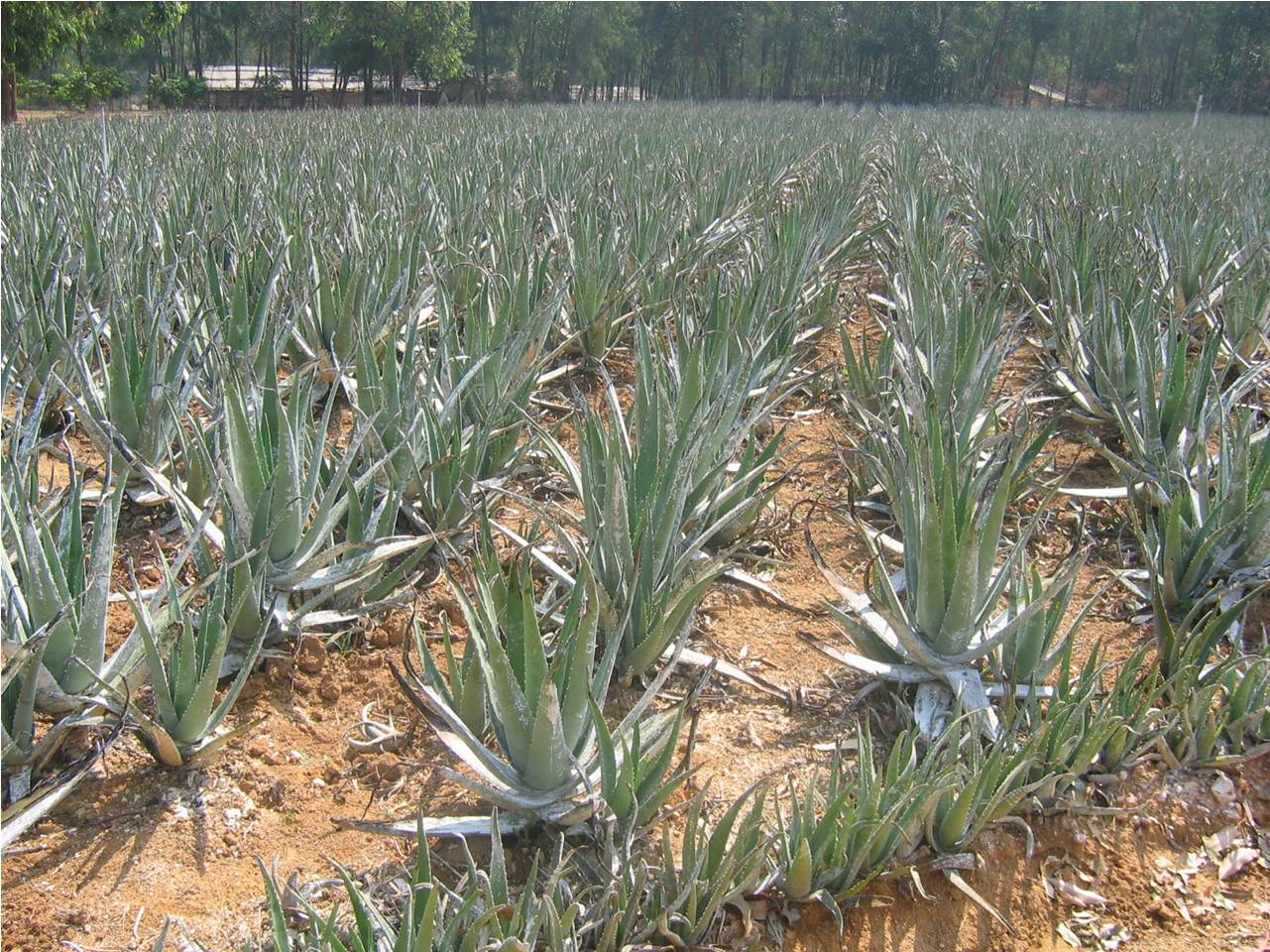
Aloe vera
Aloe vera (L.) Burm.f.
Asphodelaceae family
Aloe vera is a stemless succulent whose 30–60 cm leaves hold a clear, acemannan-rich gel and a yellow latex containing aloin — a staple of skincare, cosmetics, beverages and traditional medicine.
 NE
Arabian jasmine
Jasminum sambac (L.) Aiton
Oleaceae family
Arabian jasmine (Jasminum sambac) is a fragrant shrub of the olive family with white flowers that release a rich sweet scent at night — the raw material for jasmine tea and prized jasmine absolute in perfumery.
 EN
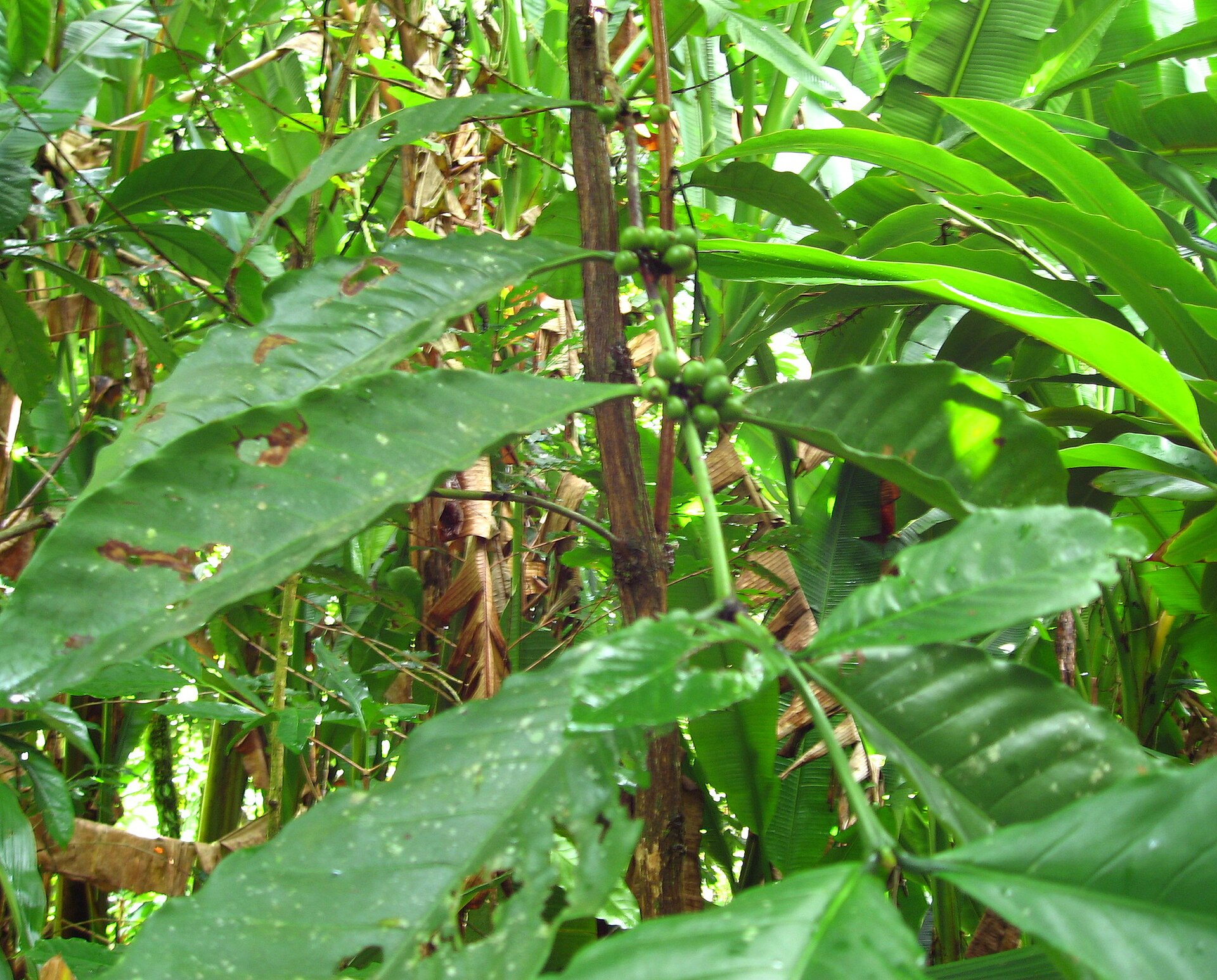
Arabica coffee
Coffea arabica L.
Rubiaceae family
Arabica coffee (Coffea arabica L.) is a small evergreen tree in the coffee family (Rubiaceae) whose berry ('cherry') holds two coffee beans; it is the world's most widely grown coffee species, accounting for about 60% of global coffee products. According to Kew POWO its native range is E. South Sudan, SW. Ethiopia and N. Kenya (Mt. Marsabit), with Yemen as a secondary centre of spread from the 14th century. The bean contains caffeine (about 1.2–1.5% of dry weight) and chlorogenic acids (5–8%), plus trigonelline and the diterpenes cafestol/kahweol that shape flavour and aroma. In Vietnam, coffee is the key cash crop of the Central Highlands (Dak Lak, Lam Dong, Gia Lai, Dak Nong).
 NE
Black pepper
Piper nigrum L.
Piperaceae family
Black pepper (Piper nigrum L.) is an evergreen woody climbing vine of the pepper family (Piperaceae) whose small drupes ripen red in spikes and dry to give black or white pepper — the most traded spice in the world, known as the 'king of spices'. According to Plants of the World Online (Kew POWO) the recorded native range is Sri Lanka, while Kew's Species Profile gives the Malabar coast (Kerala, India) as its origin; recent evidence suggests a centre of origin in the Western Ghats–Sri Lanka region. The pungent alkaloid piperine (2–7% of dry weight) is the signature active, together with the essential oil (β-caryophyllene, limonene, sabinene). Vietnam is the world's largest producer and exporter of black pepper.
 NE
Cashew
Anacardium occidentale L.
Anacardiaceae family
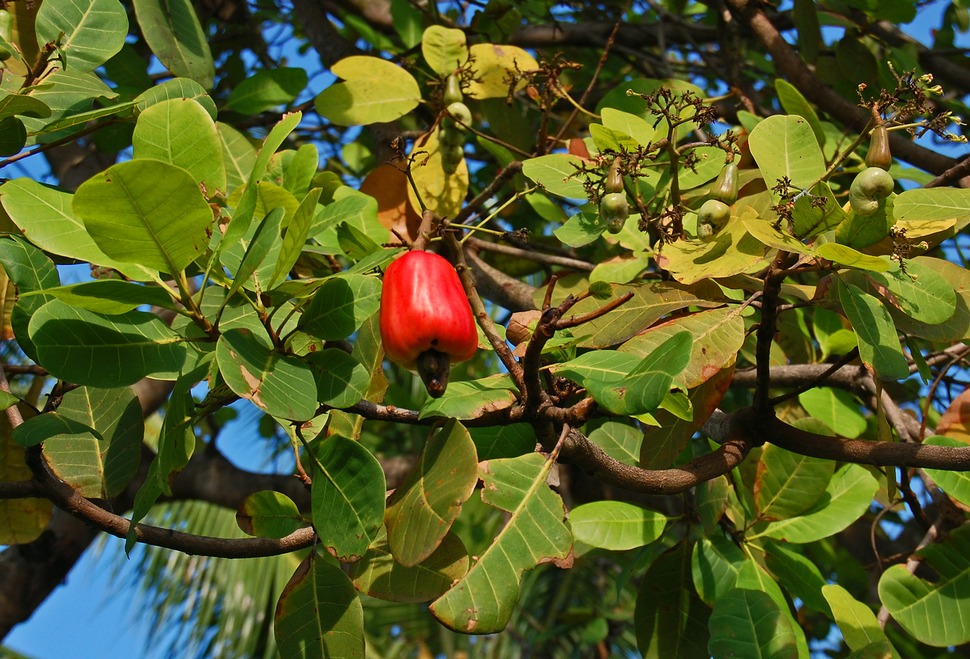
Cashew (Anacardium occidentale L.) is an evergreen tree of the family Anacardiaceae, native to tropical South America (Brazil, especially the north-east). Its fruit consists of the 'cashew apple' — in fact the swollen pedicel and receptacle (a false fruit) — and the true fruit, a kidney-shaped drupe holding the seed. The shell liquid (CNSL) contains anacardic acid, cardol and cardanol, which cause contact dermatitis but are important industrial raw materials (epoxy resins, paints, brake linings); the kernel is rich in lipid (about 44%) and protein. In 2024 world production of raw cashew nuts was about 4.24 million tonnes, led by Ivory Coast and India; Vietnam is the world's largest processor and exporter of cashew kernels.
 NE
Cassia
Cinnamomum cassia (L.) J.Presl
Lauraceae family
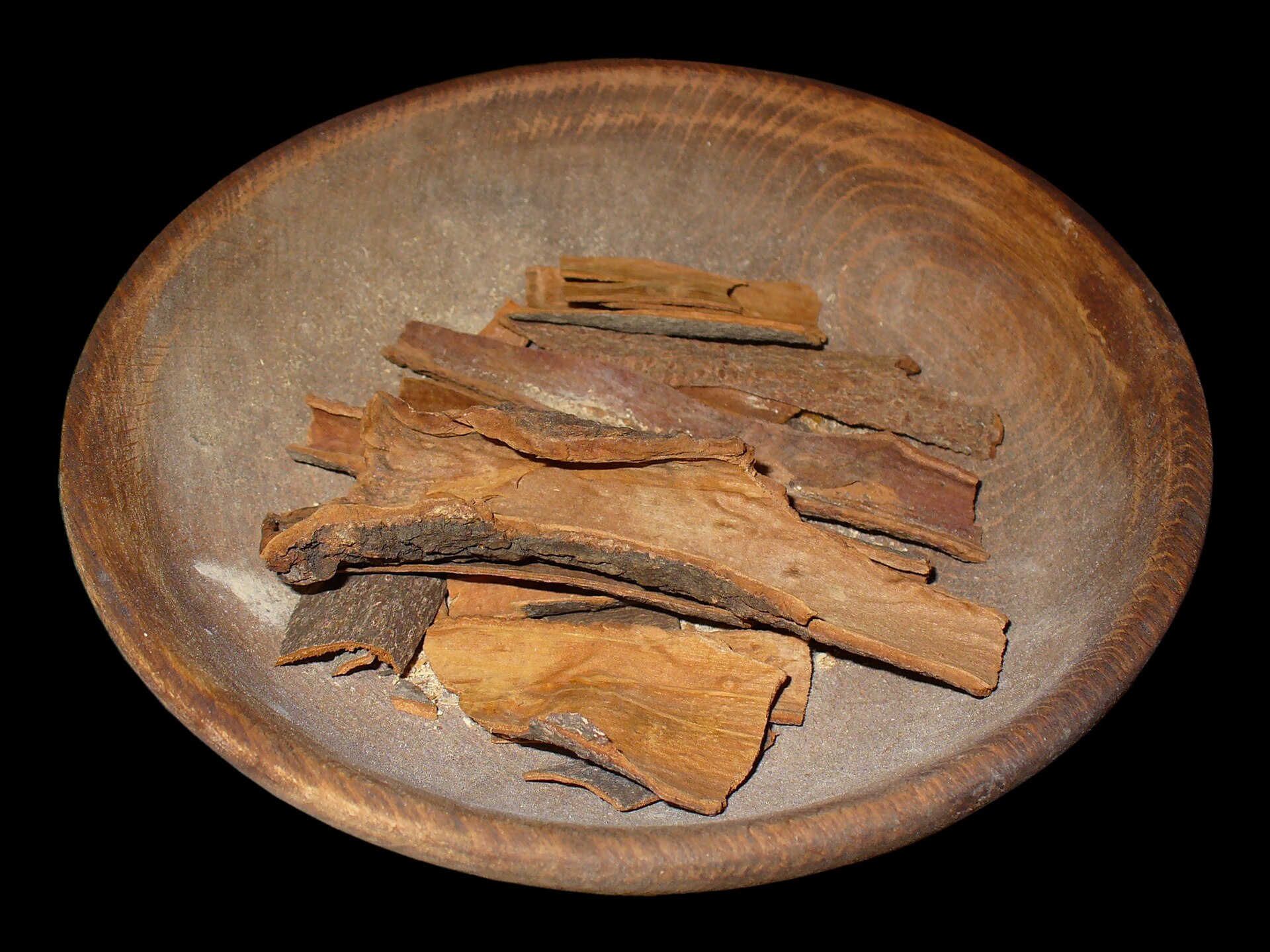
Cassia cinnamon (Cinnamomum cassia) is a small evergreen tree of the laurel family; its bark and leaves yield fragrant essential oil, and the dried rolled bark is the familiar cinnamon of cooking and traditional medicine; native to southern China–Southeast Asia, grown widely in Yên Bái and Quảng Nam (Vietnam).
 NE
Coconut palm
Cocos nucifera L.
Arecaceae family
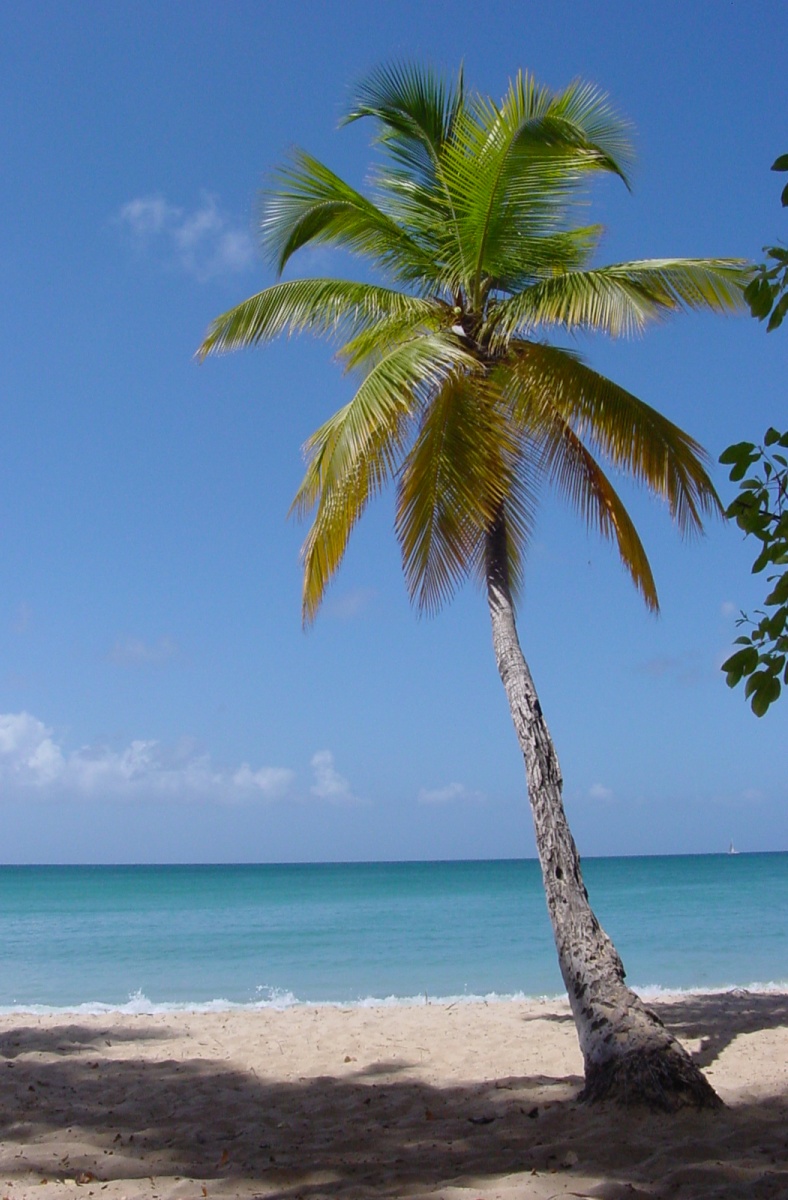
The coconut (Cocos nucifera L.) is a large tropical palm, the only living species of the genus Cocos (family Arecaceae), with a trunk up to 30 m and a drupe fruit that yields water, kernel, shell and fibre. According to Kew POWO its wild native range is Central Malesia to the SW Pacific; Austronesian peoples domesticated and spread it across the coastal tropics worldwide. Coconut oil is rich in medium-chain saturated fatty acids — lauric acid (C12:0) makes up about 45–50% — together with the MCTs caprylic (C8:0) and capric (C10:0) acids, while coconut water is rich in potassium and sugars. Almost every part is useful: water to drink, kernel as food, copra pressed for oil, coir for mats and brushes, shell for activated charcoal, leaves for wrapping and thatch.
 NE
Dandelion
Taraxacum officinale F.H.Wigg
Asteraceae family
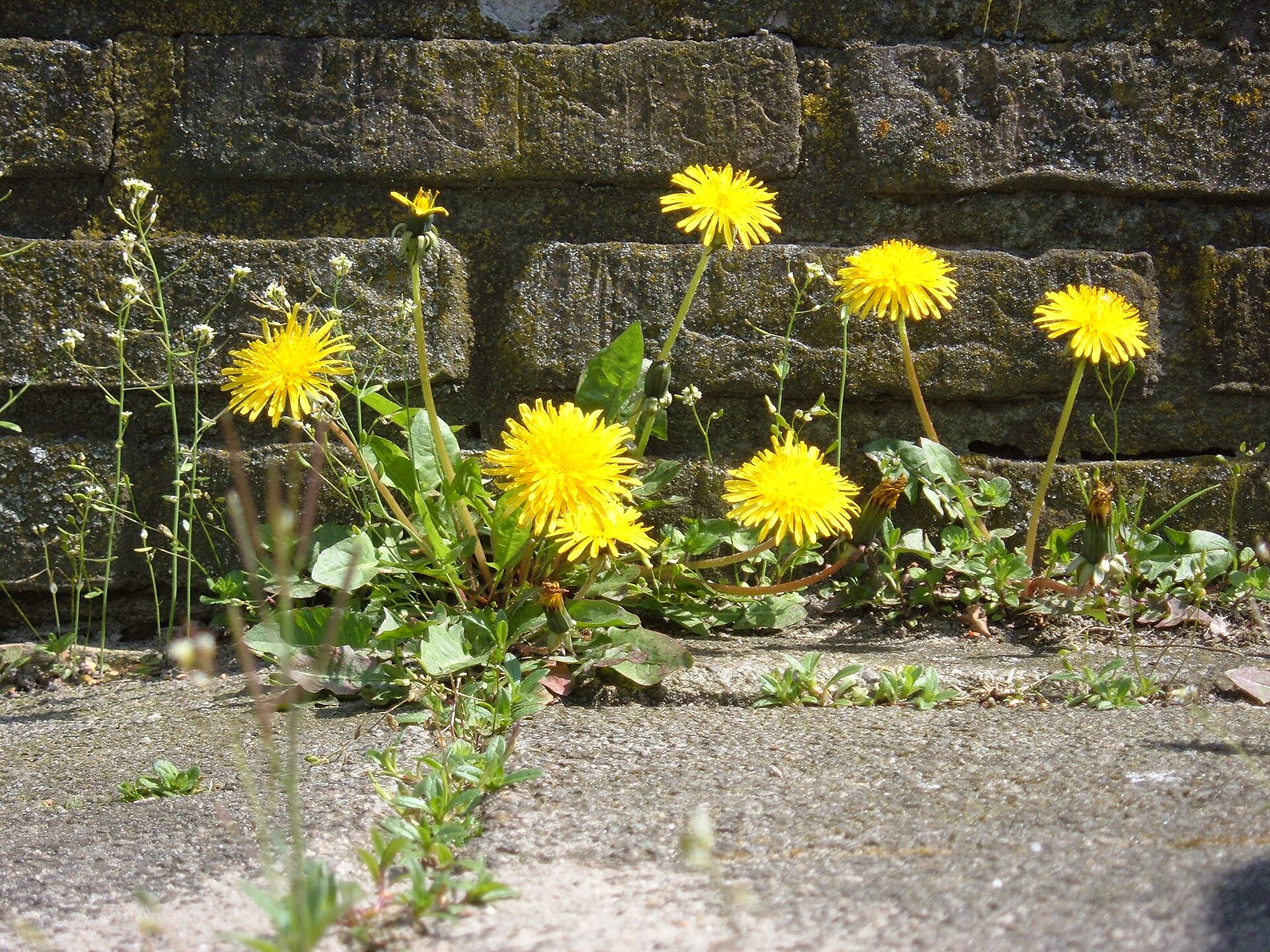
Dandelion is a temperate perennial with solitary yellow flowers and wind-borne seed heads; its inulin-rich root and young leaves are used as tea, food and traditional herbal medicine covered by EMA and ESCOP monographs.
 NE
Ginger
Zingiber officinale Roscoe
Zingiberaceae family
Ginger (Zingiber officinale) is a perennial rhizome of the ginger family and one of the world's most widely used spices; its pungency comes from gingerols (fresh) and shogaols (dried), with growing clinical evidence for nausea and joint pain.
 NE
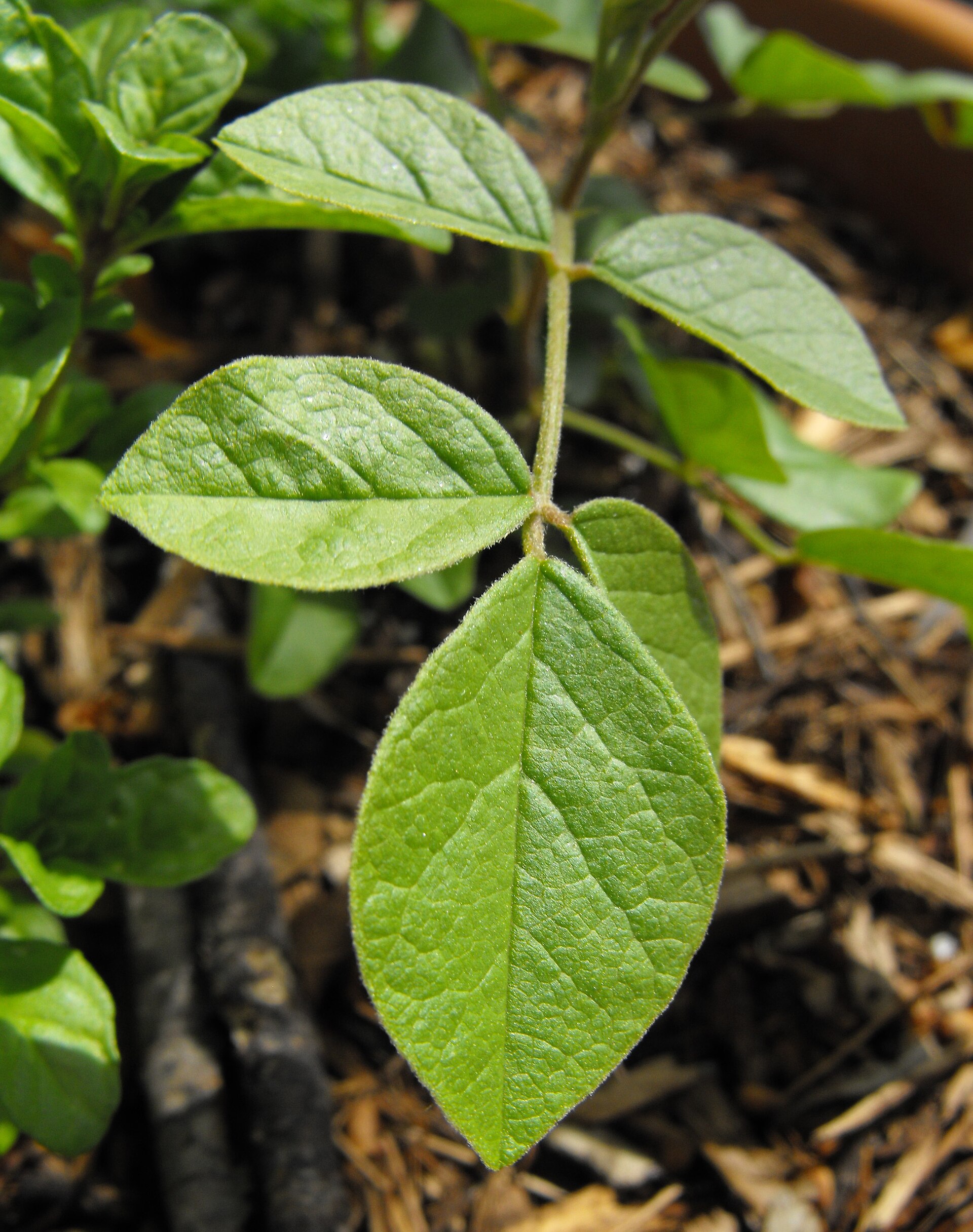
Japanese honeysuckle
Lonicera japonica Thunb.
Caprifoliaceae family
Japanese honeysuckle (Lonicera japonica Thunb.) is a semi-evergreen twining vine of the family Caprifoliaceae, native from China to temperate eastern Asia according to Kew's Plants of the World Online. Its flowers grow in pairs and shift from white to yellow as they age — the gold-and-silver colouring that gives the plant its Chinese name — and the buds and flowers form Lonicerae Japonicae Flos, a medicinal material standardized to at least 1.5% chlorogenic acid in the Chinese Pharmacopoeia 2020, with more than 140 chemical constituents isolated.
 NE
Licorice
Glycyrrhiza uralensis Fisch. ex DC.
Fabaceae family
Licorice (Glycyrrhiza uralensis) is a perennial legume whose roots contain glycyrrhizin, a saponin about 50 times sweeter than sucrose. A 'national elder' of Chinese medicine, it is widely studied for antiviral, anti-inflammatory and hepatoprotective activity.