
All plant species
5 species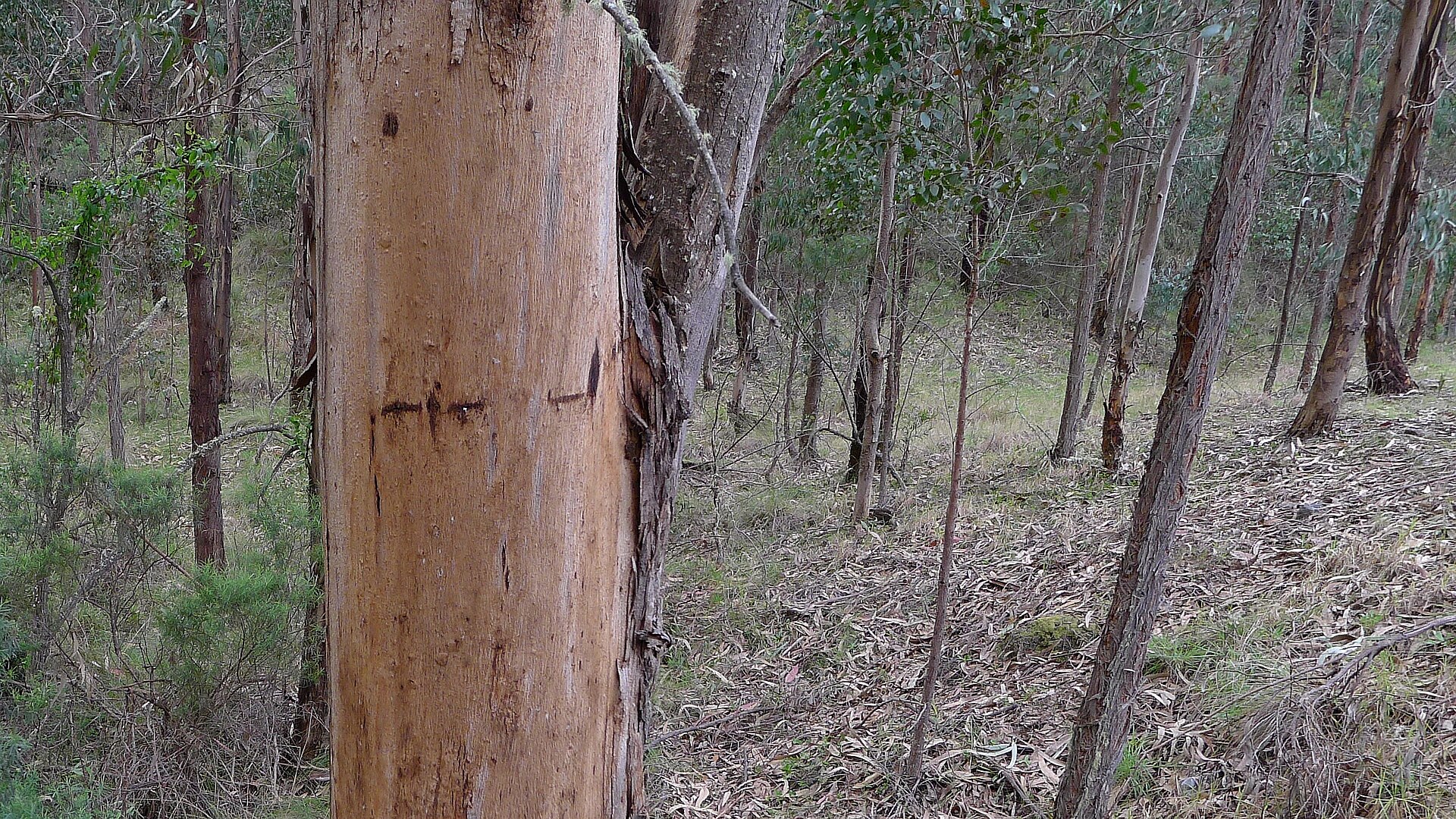 NE
Blue gum
Eucalyptus globulus Labill.
Myrtaceae family
Blue gum (Eucalyptus globulus) is a large tree native to south-eastern Australia, producing leaf oil rich in eucalyptol (1,8-cineole) at 70–85% and ranking among the world's most widely planted pulp and timber trees.
 NE
Lavender
Lavandula angustifolia Mill.
Lamiaceae family
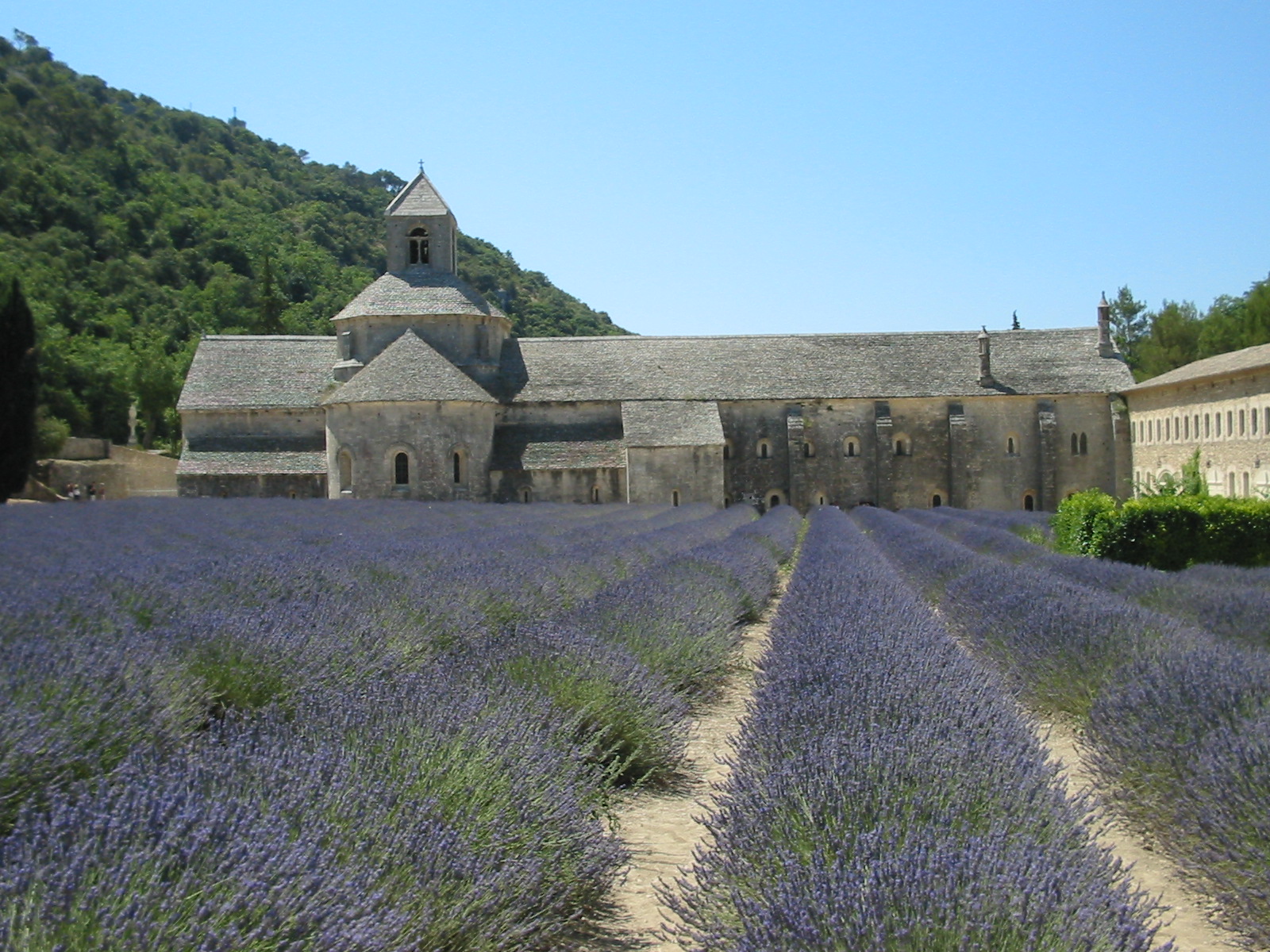
Lavender (Lavandula angustifolia Mill.) is a low aromatic subshrub of the mint family Lamiaceae, native from north-eastern Spain to Italy according to Kew's Plants of the World Online. True lavender oil is rich in linalool and linalyl acetate (60–75%) with low camphor, giving a clean, sweet floral note; it is a classic perfumery oil and an aromatherapy material studied clinically for anxiety, while the hybrid lavandin (Lavandula × intermedia) accounts for most industrial output.
 NE
Lemongrass
Cymbopogon citratus (DC.) Stapf
Poaceae family
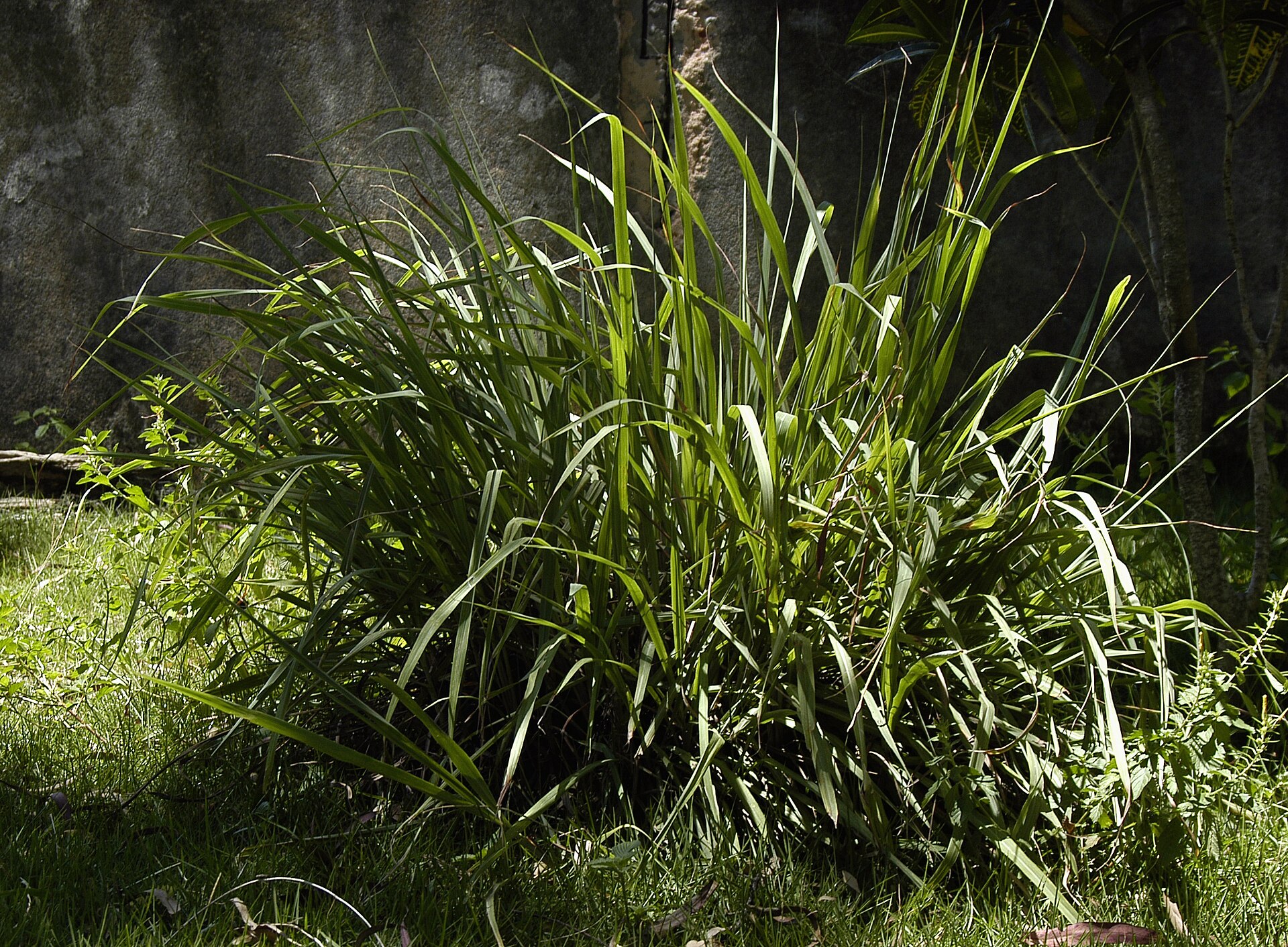
Lemongrass (Cymbopogon citratus) is a perennial aromatic grass forming dense tufts 1–1.5 m tall in the grass family Poaceae, native to South Asia (southern India and Sri Lanka) according to Kew's Plants of the World Online and now cultivated throughout the tropics. Its leaf oil is rich in citral — a geranial–neral mixture making up 65–85% — which gives the signature fresh-citrus note; the oil is a cornerstone of the fragrance industry and is being studied clinically for oral health and for controlling bacterial–fungal biofilms.
 NE
Mentha canadensis
Mentha canadensis L.
Lamiaceae family
Mentha canadensis is a species of mint native to North America (from the Northwest Territories to central Mexico) and the eastern part of Asia (from Siberia to Java).
 LC
Tea tree
Melaleuca alternifolia (Maiden & Betche) Cheel
Myrtaceae family
Tea tree (Melaleuca alternifolia) is a shrub to small tree of the myrtle family (Myrtaceae) native to eastern Australia, famous for a strongly antibacterial essential oil whose main component is terpinen-4-ol. The leaves contain 1–2% oil; under standard ISO 4730, commercial tea tree oil must have at least 30% terpinen-4-ol and no more than 15% 1,8-cineole. The oil is used as an antiseptic, for skin and acne care, hair care, as an antifungal and as a natural cleaner. IUCN lists it as Least Concern (LC).