
All plant species
6 species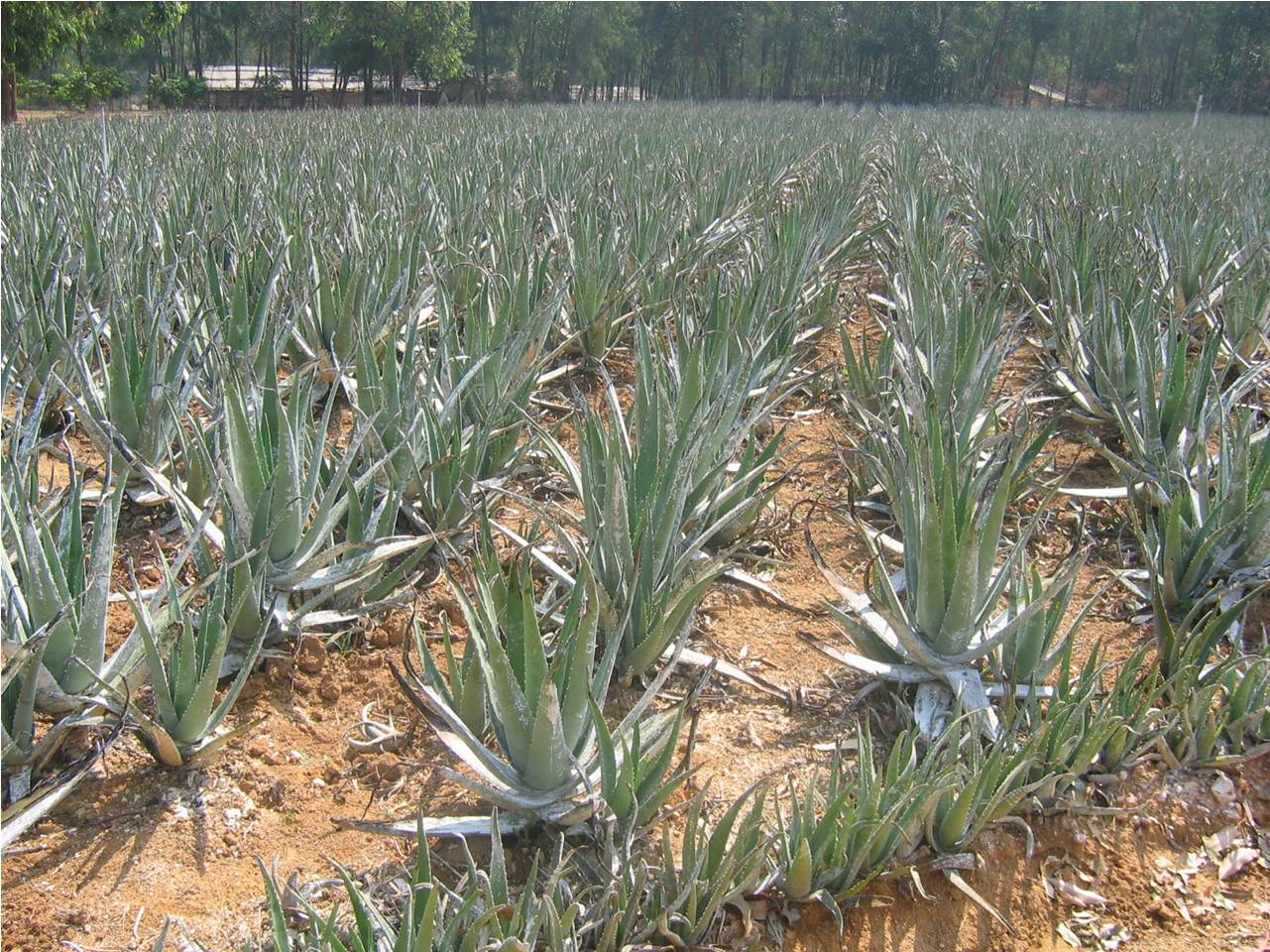 NE
Aloe vera
Aloe vera (L.) Burm.f.
Asphodelaceae family
Aloe vera is a stemless succulent whose 30–60 cm leaves hold a clear, acemannan-rich gel and a yellow latex containing aloin — a staple of skincare, cosmetics, beverages and traditional medicine.
 NE
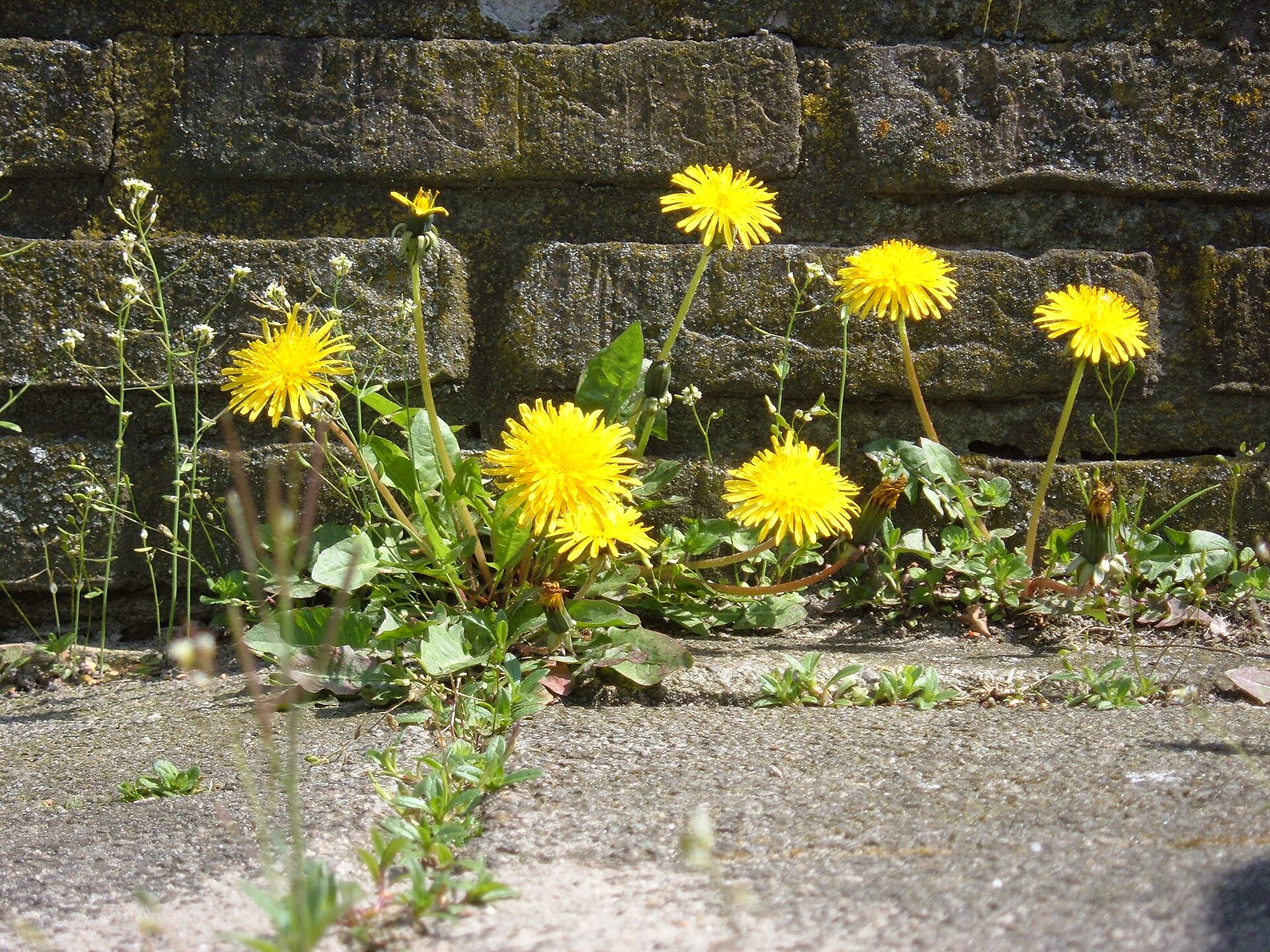
Dandelion
Taraxacum officinale F.H.Wigg
Asteraceae family
Dandelion is a temperate perennial with solitary yellow flowers and wind-borne seed heads; its inulin-rich root and young leaves are used as tea, food and traditional herbal medicine covered by EMA and ESCOP monographs.
 NE
Japanese honeysuckle
Lonicera japonica Thunb.
Caprifoliaceae family
Japanese honeysuckle (Lonicera japonica Thunb.) is a semi-evergreen twining vine of the family Caprifoliaceae, native from China to temperate eastern Asia according to Kew's Plants of the World Online. Its flowers grow in pairs and shift from white to yellow as they age — the gold-and-silver colouring that gives the plant its Chinese name — and the buds and flowers form Lonicerae Japonicae Flos, a medicinal material standardized to at least 1.5% chlorogenic acid in the Chinese Pharmacopoeia 2020, with more than 140 chemical constituents isolated.
 NE
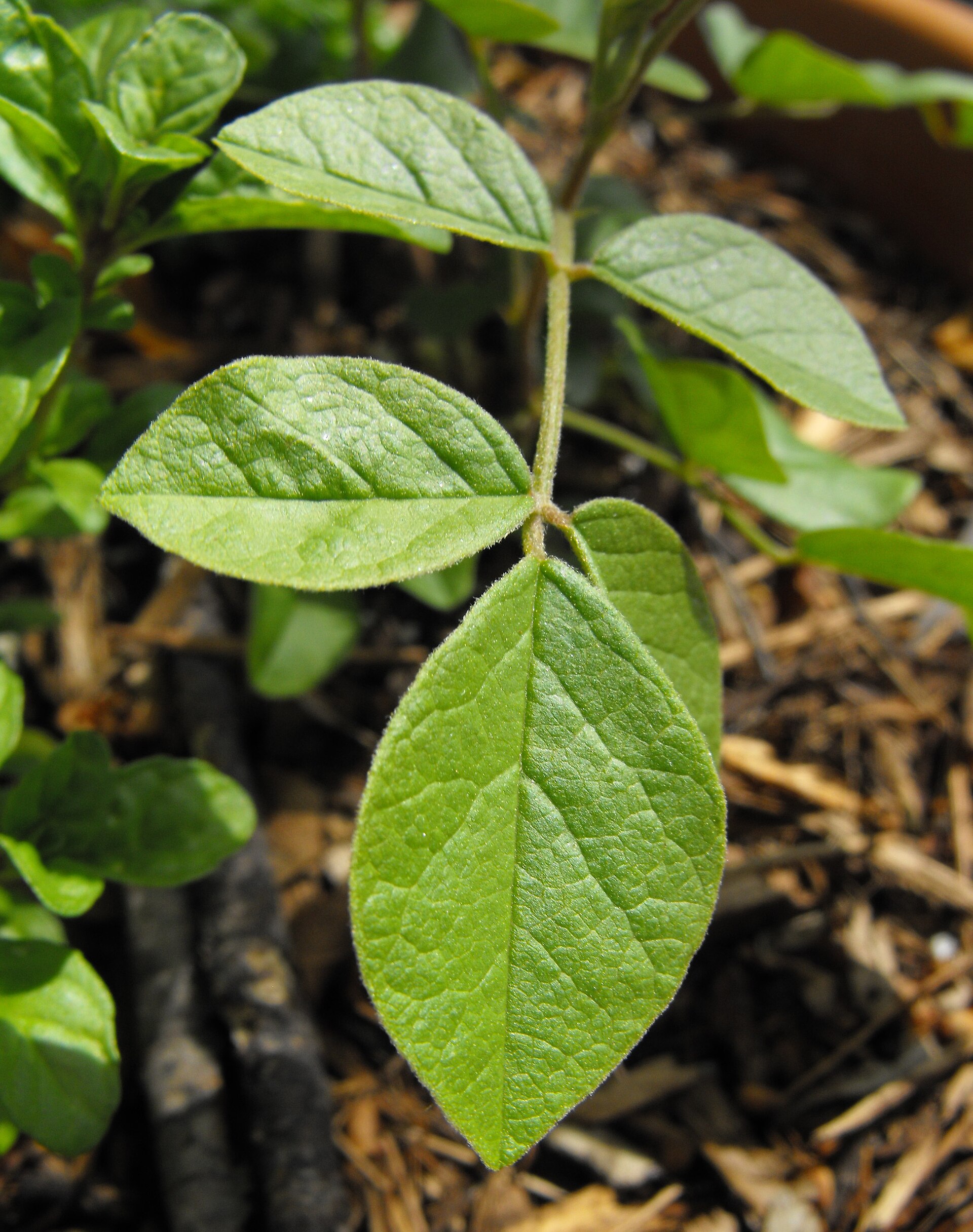
Licorice
Glycyrrhiza uralensis Fisch. ex DC.
Fabaceae family
Licorice (Glycyrrhiza uralensis) is a perennial legume whose roots contain glycyrrhizin, a saponin about 50 times sweeter than sucrose. A 'national elder' of Chinese medicine, it is widely studied for antiviral, anti-inflammatory and hepatoprotective activity.
 NE
Mugwort
Artemisia vulgaris L.
Asteraceae family
Artemisia vulgaris, commonly known as mugwort, common mugwort, or wormwood, is a species of flowering plant in the daisy family Asteraceae.
 NE
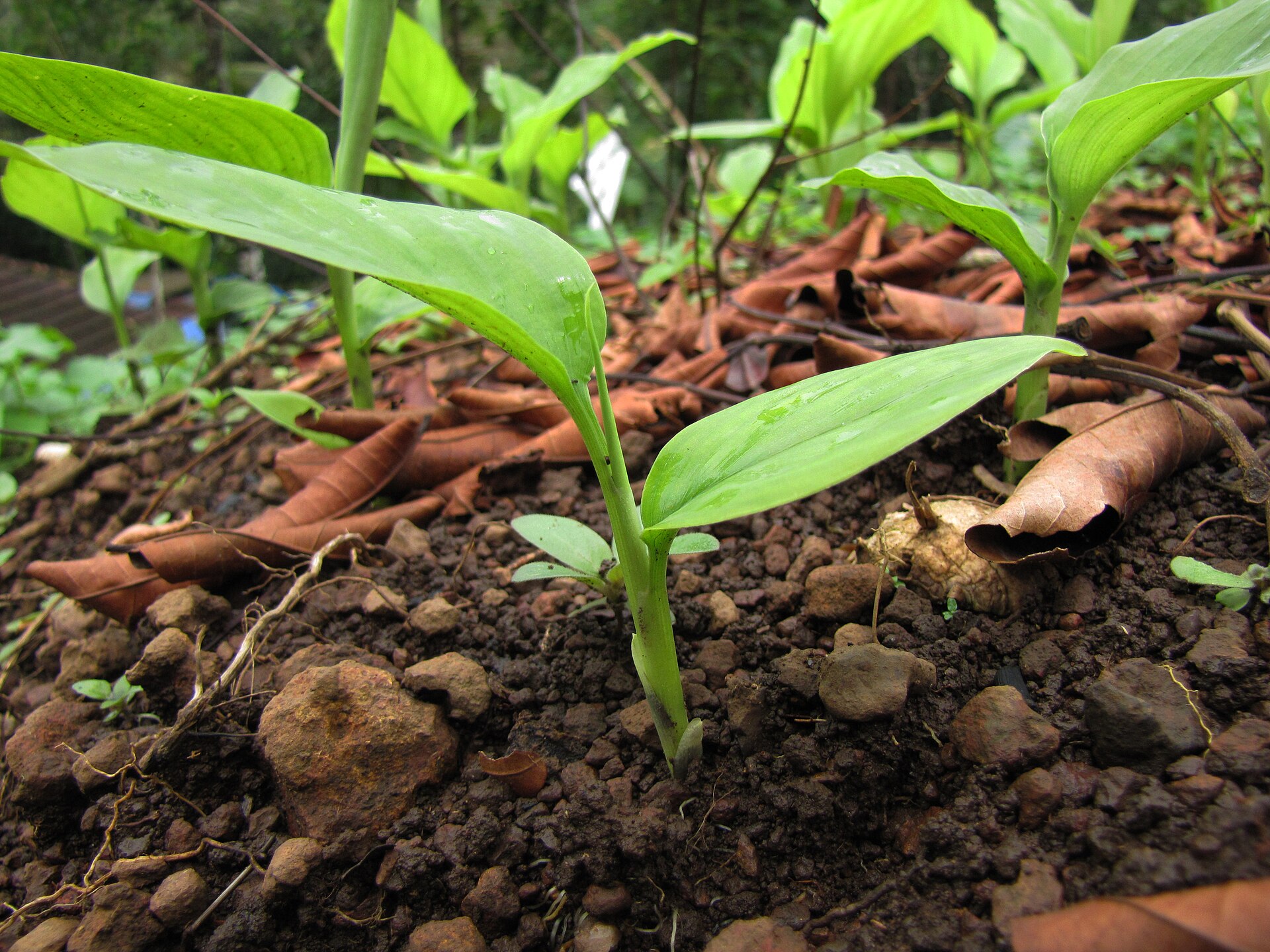
Turmeric
Curcuma longa L.
Zingiberaceae family
Turmeric (Curcuma longa) is the most widely cultivated member of the ginger family; its orange rhizome holds 2–5% curcuminoids — both a spice and food colour and one of the most clinically studied medicinal plants.