
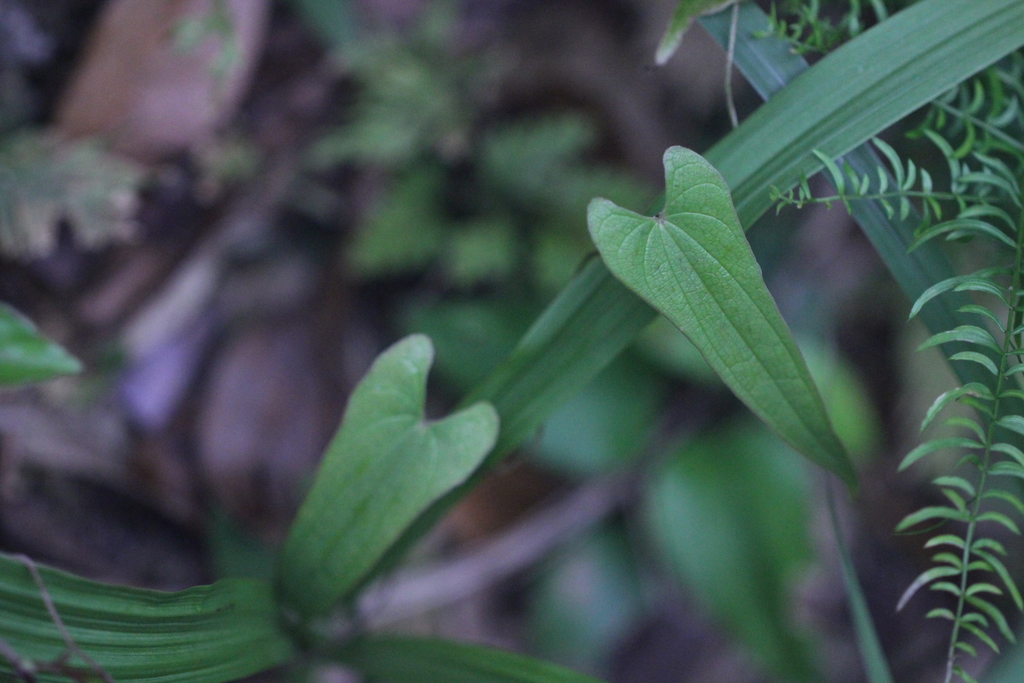
Vietnamese yam
Dioscorea persimilis Prain & Burkill
Dioscorea hamiltonii is a species of Dioscorea native to southern China, Taiwan, northern Indochina (Thailand, Vietnam, Myanmar) and the Himalayas (Nepal, Sikkim, Bhutan, Assam).
No ratings yet — be the first!
Gallery
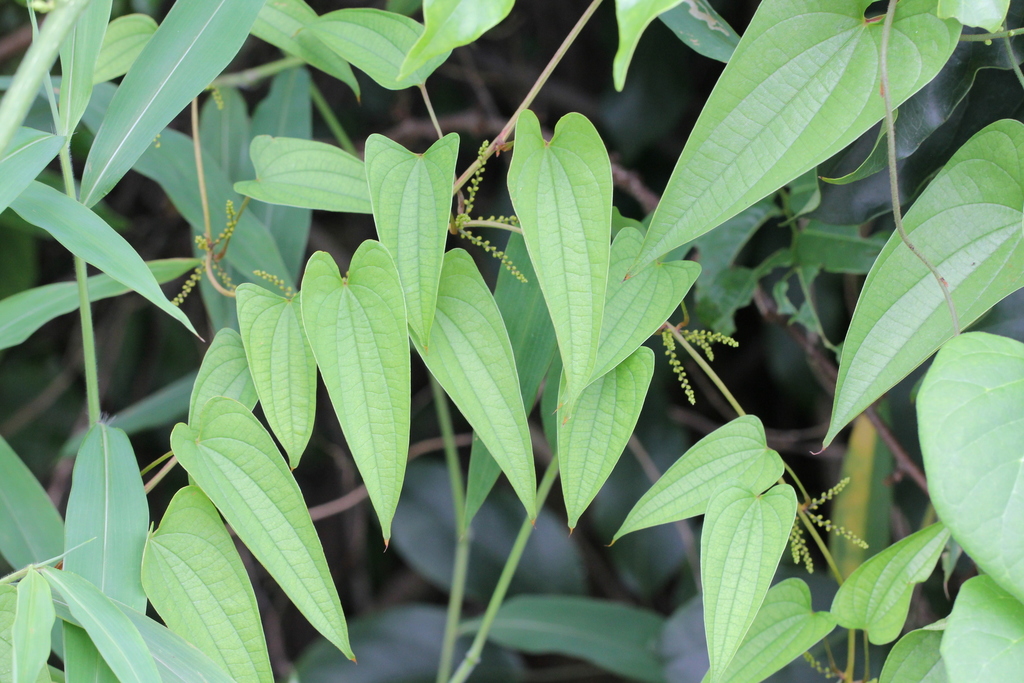 Vietnamese yamVietnamese yam
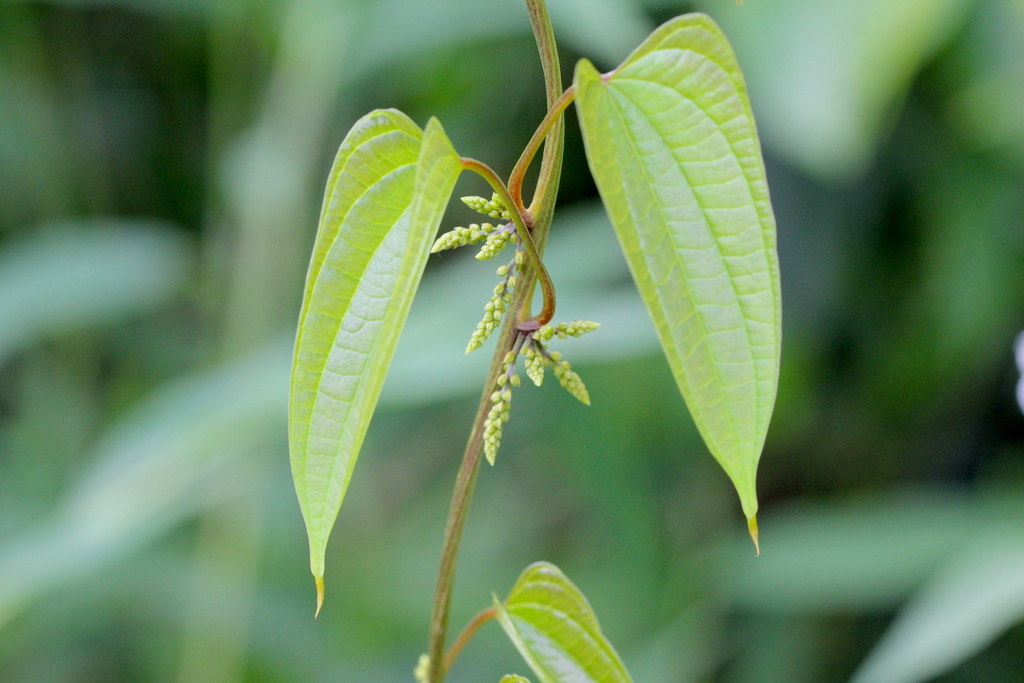 Vietnamese yam
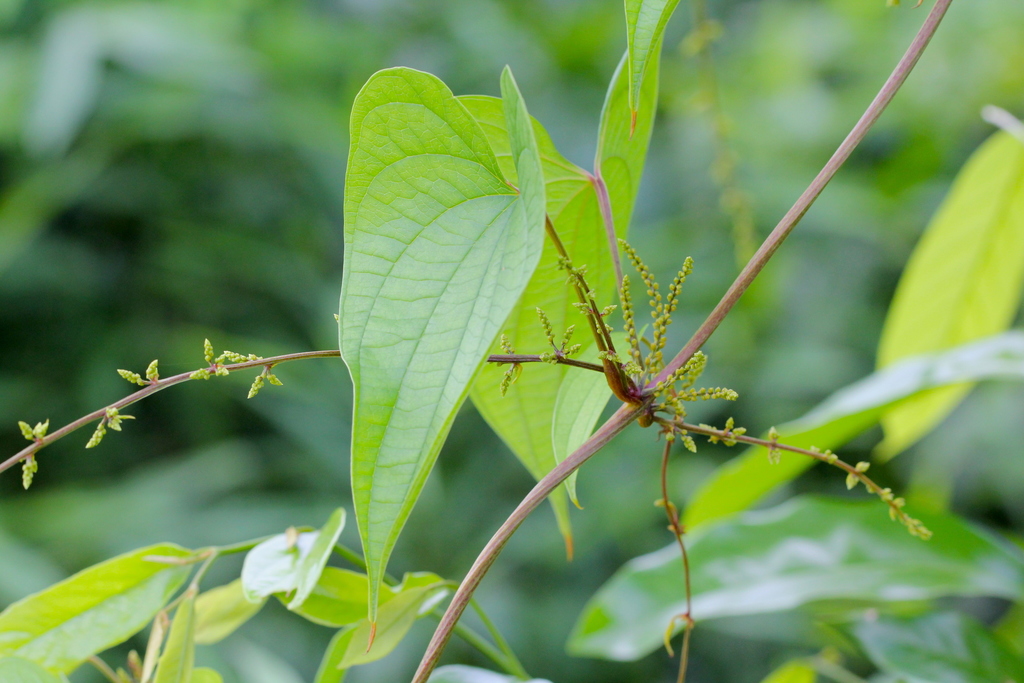 Vietnamese yamVietnamese yamVietnamese yam
Overview
Dioscorea hamiltonii is a species of Dioscorea native to southern China, Taiwan, northern Indochina (Thailand, Vietnam, Myanmar) and the Himalayas (Nepal, Sikkim, Bhutan, Assam).
Updated by lebachungtdh@gmail.com · 10/15/2026
Dioscorea hamiltonii is used as an ingredient in a type of chè: chè củ mài.
Updated by lebachungtdh@gmail.com · 10/15/2026
Life cycle
From seed to productSeed tuber
Healthy **seed tubers** are cut into pieces with 2–3 eyes (or small tubers planted whole) and set in moist soil.
Tuber sprouting
Eyes break dormancy and shoots emerge while the root system develops.
Growth & flowering
The plant blooms with **small greenish-white flowers, May–July**; pollination is by insects and wind.
New tubers & harvest
Foliage dies back and reserves move into the underground storage organ; **2–3-year-old tubers dug in autumn–winter**.
Uses
- Dioscorea hamiltonii is used as an ingredient in a type of chè: chè củ mài.
Habitat & conservation
Dioscorea hamiltonii is a species of Dioscorea native to southern China, Taiwan, northern Indochina (Thailand, Vietnam, Myanmar) and the Himalayas (Nepal, Sikkim, Bhutan, Assam).
Conservation
Vietnamese yam has not been assessed by the IUCN Red List (NE). As a medicinal plant, it benefits from sustainable collection and propagation to protect wild genetic resources.
References
- 1Wikipedia – Dioscorea persimilis — Wikipedia,
- 2Kew POWO – Dioscorea persimilis — Plants of the World Online (Kew),
- 3Wikidata – Q15568772 — Wikidata,