

Tetradium ruticarpum
Tetradium ruticarpum (A.Juss.) T.G.Hartley
Tetradium ruticarpum is a tree that comes from China and Korea. It was previously classified in the genus Euodia as Euodia ruticarpa.
No ratings yet — be the first!
Gallery
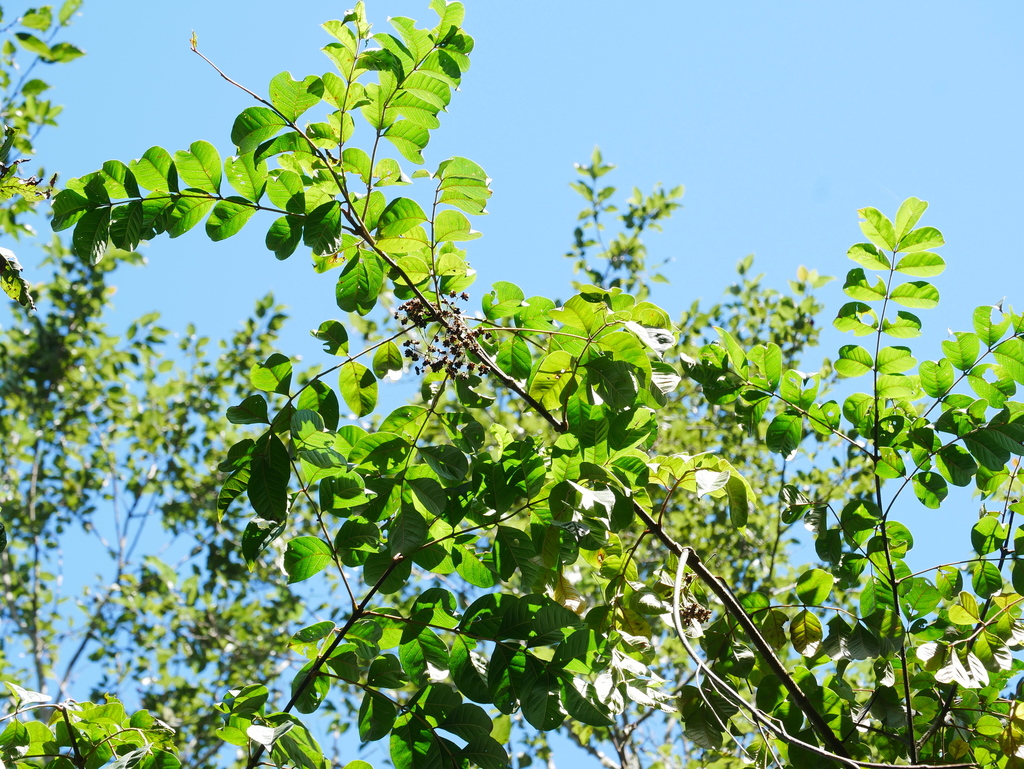 Tetradium ruticarpumTetradium ruticarpumTetradium ruticarpumTetradium ruticarpum
Overview
Tetradium ruticarpum is a tree that comes from China and Korea. It was previously classified in the genus Euodia as Euodia ruticarpa. The fruit is usually used, denoted sometimes as fructus.
Updated by lebachungtdh@gmail.com · 10/15/2026
It has a strong bitter taste, and is used in traditional Chinese medicine (TCM) and is a recognized herb in Kampo. Both the former genus name and the species name are often misspelled, and the plant usually appears in sources dealing with traditional Chinese medicine as "Evodia(e) rutaecarpa".
Updated by lebachungtdh@gmail.com · 10/15/2026
Ra hoa tháng 5-8.
Updated by lebachungtdh@gmail.com · 10/15/2026
Life cycle
From seed to productSeed & germination
The plant is propagated mainly by **seed**: sow fresh or pre-treated seed in loose, moist soil and keep it evenly damp; germination follows within a few weeks.
Seedling & growth
Seedlings establish, forming leaves and roots; growth rate depends on light and moisture.
Flowering
The plant blooms with **small white flowers, April–June**; pollination is by insects and wind.
Fruiting & harvest
After flowering the plant sets fruit and seed; **red ripe fruits picked in August–October**.
Uses
- The fruit is usually used, denoted sometimes as fructus.
- It has a strong bitter taste, and is used in traditional Chinese medicine (TCM) and is a recognized herb in Kampo.
- Both the former genus name and the species name are often misspelled, and the plant usually appears in sources dealing with traditional Chinese medicine as "Evodia(e) rutaecarpa".
Conservation
Tetradium ruticarpum has not been assessed by the IUCN Red List (NE). As a medicinal plant, it benefits from sustainable collection and propagation to protect wild genetic resources.
References
- 1Wikipedia – Tetradium ruticarpum — Wikipedia,
- 2Kew POWO – Tetradium ruticarpum — Plants of the World Online (Kew),
- 3Wikidata – Q10919698 — Wikidata,