

Pulsatilla chinensis
Pulsatilla chinensis (Bunge) Regel
Pulsatilla chinensis is a species of plant in the family Ranunculaceae and is one of the 50 fundamental herbs used in traditional Chinese medicine.
No ratings yet — be the first!
Gallery
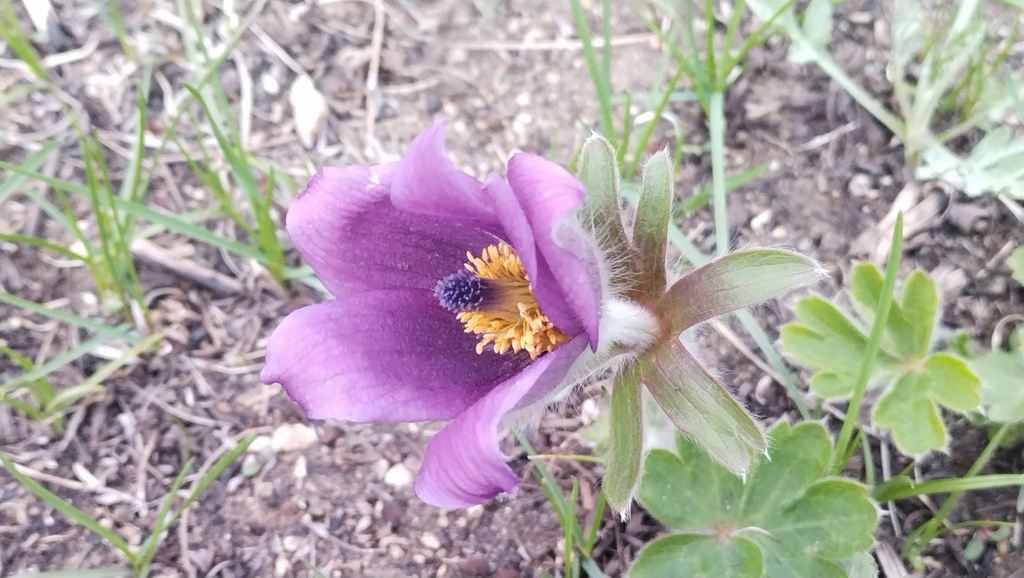 Pulsatilla chinensisPulsatilla chinensis
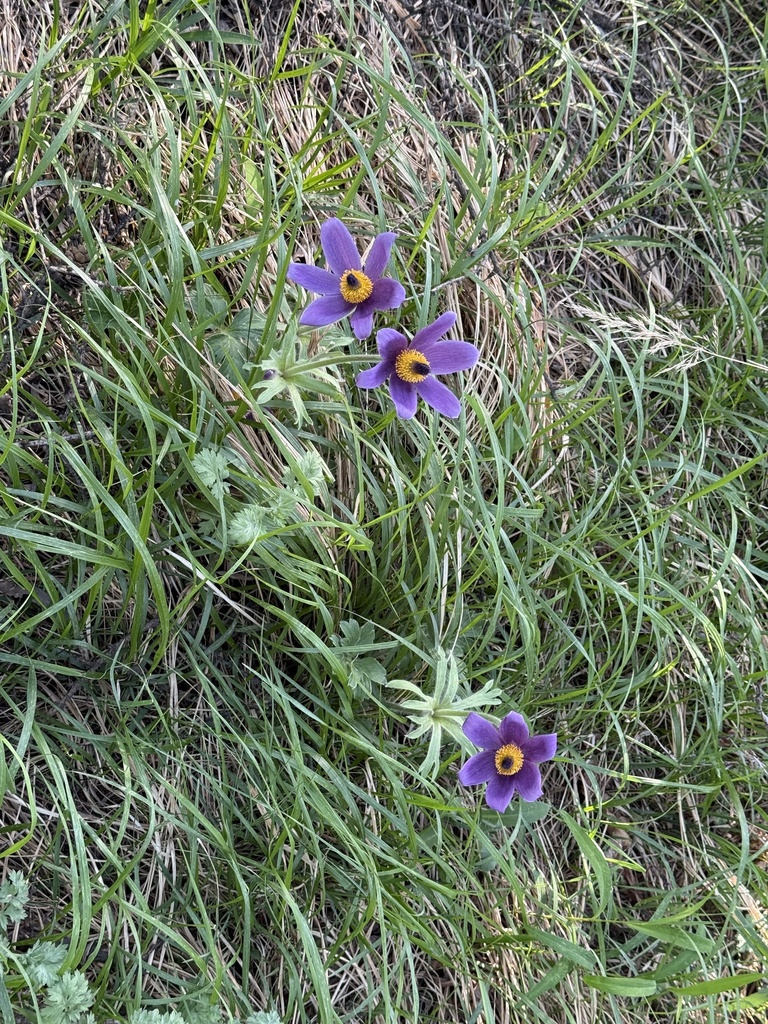 Pulsatilla chinensis
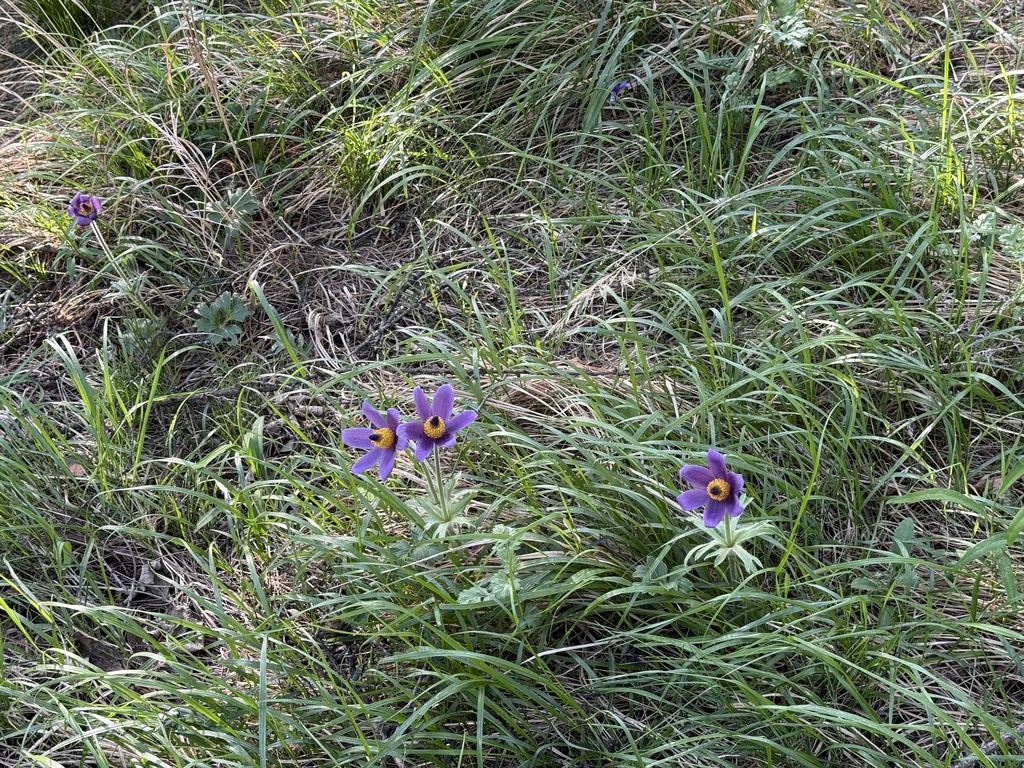 Pulsatilla chinensisPulsatilla chinensisPulsatilla chinensis
Overview
Pulsatilla chinensis is a species of plant in the family Ranunculaceae and is one of the 50 fundamental herbs used in traditional Chinese medicine. There it has the name bái tóu wēng (Chinese: 白头翁).
Updated by lebachungtdh@gmail.com · 10/15/2026
Life cycle
From seed to productSeed & germination
The plant is propagated mainly by **seed**: sow fresh or pre-treated seed in loose, moist soil and keep it evenly damp; germination follows within a few weeks.
Seedling & growth
Seedlings establish, forming leaves and roots; growth rate depends on light and moisture.
Flowering
The plant blooms with **pale purple flowers, March–May**; pollination is by insects and wind.
Fruiting & harvest
After flowering the plant sets fruit and seed; **roots dug in autumn**.
Uses
- Clears heat and removes toxins.
- Cools the blood; used for dysentery.
- Reduces inflammation and boils.
- Clears damp-heat.
- Used for intestinal infections.
Conservation
Pulsatilla chinensis has not been assessed by the IUCN Red List (NE). As a medicinal plant, it benefits from sustainable collection and propagation to protect wild genetic resources.
References
- 1Wikipedia – Pulsatilla chinensis — Wikipedia,
- 2Kew POWO – Pulsatilla chinensis — Plants of the World Online (Kew),
- 3Wikidata – Q24853180 — Wikidata,