

Gallery
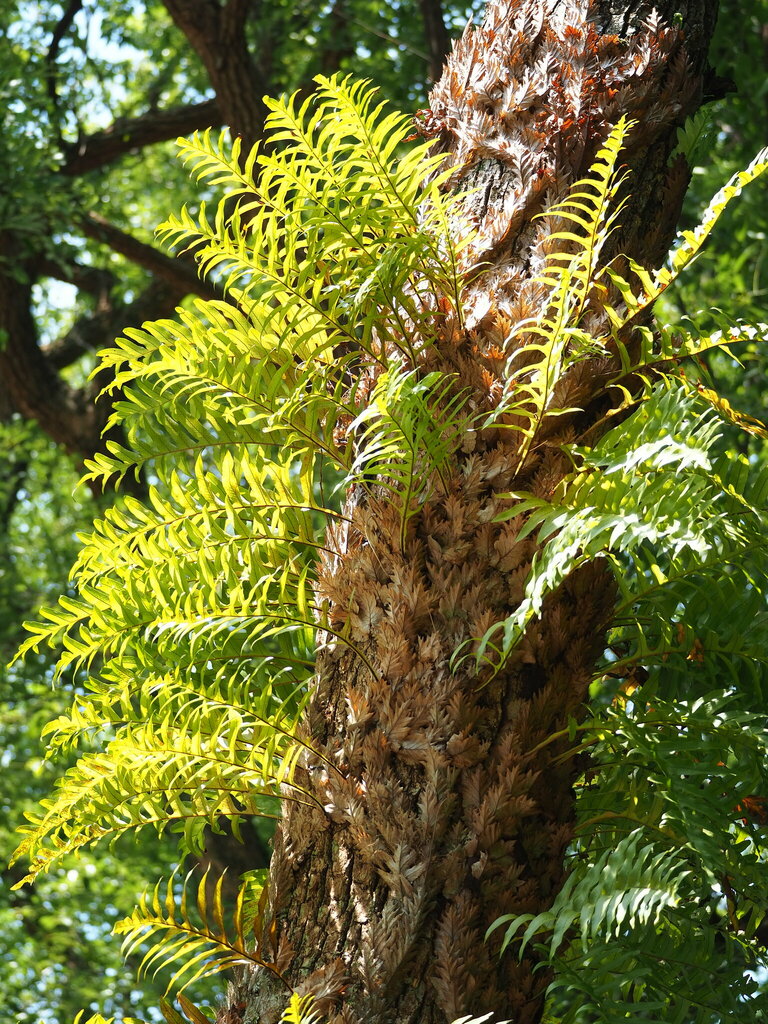 Drynaria fortuneiDrynaria fortunei
 Drynaria fortunei
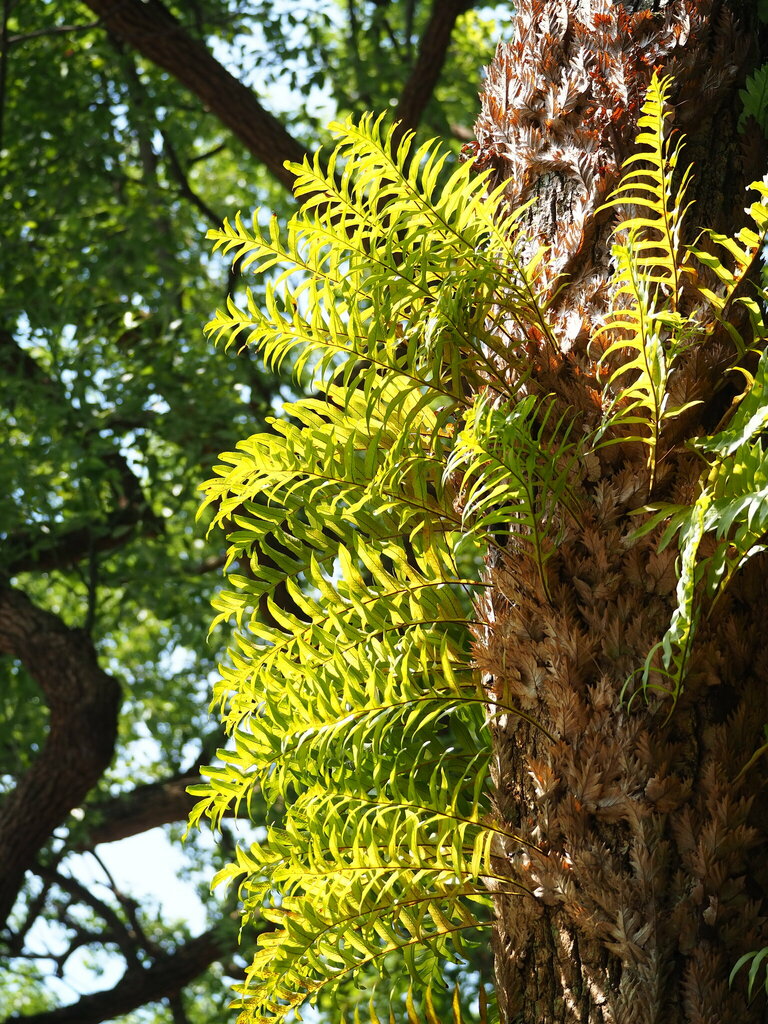 Drynaria fortuneiDrynaria fortuneiDrynaria fortunei
Overview
Drynaria is a genus of ferns in the subfamily Drynarioideae of the family Polypodiaceae. The Pteridophyte Phylogeny Group classification of 2016 (PPG I) refers to it as Aglaomorpha, but that name was subsequently rejected in favor of Drynaria. Species are commonly known as basket ferns. As circumscribed in PPG I, the genus contains around 50 species.
Updated by lebachungtdh@gmail.com · 10/15/2026
Basket ferns are epiphytic or epipetric and are native to tropical Africa, South Asia, East Asia, Southeast Asia, Australia, and Oceania. Some species are economically important as medicinal plants.
Updated by lebachungtdh@gmail.com · 10/15/2026
Life cycle
From seed to productSpore & prothallus
Ferns propagate by **spores** (or by rhizome division): sow spores on a moist substrate away from direct sun.
Young sporophyte
Spores germinate into heart-shaped prothalli requiring high humidity and diffuse light.
Frond growth
The fern grows its fronds: **croziers unfurl into oak-like fronds**.
Mature & spores
Sori develop on the underside of the fronds; **rhizomes from rocks and tree trunks collected in autumn–winter**.
Uses
- Some species are economically important as medicinal plants.
Habitat & conservation
Basket ferns are epiphytic or epipetric and are native to tropical Africa, South Asia, East Asia, Southeast Asia, Australia, and Oceania.
Conservation
Drynaria fortunei has not been assessed by the IUCN Red List (NE). As a medicinal plant, it benefits from sustainable collection and propagation to protect wild genetic resources.
References
- 1Wikipedia – Drynaria — Wikipedia,
- 2Kew POWO – Drynaria fortunei — Plants of the World Online (Kew),
- 3Wikidata – Q3020925 — Wikidata,