

Anemone caroliniana
Anemone caroliniana
Anemone caroliniana, the Carolina anemone, is a species of herbaceous flowering plant in the family Ranunculaceae. Plants grow (7)10 to 40 cm tall, from short tuber-like rhizomes that are 10–30 mm long. Stem leaves without petioles. Plants flowering early to mid spring with the flowers composed of 10 to 20 sepals (sometimes called tepals) normally white or soft rose colored but also purple, one flower per stem, the sepals are 10 to 22 mm long and 2–5 mm wide. Fruits in heads ovoid to subcylindric in shape, 17–25 mm long.
No ratings yet — be the first!
Gallery
 Anemone caroliniana 149773399Anemone caroliniana Arkansas
 Anemone-caroliniana
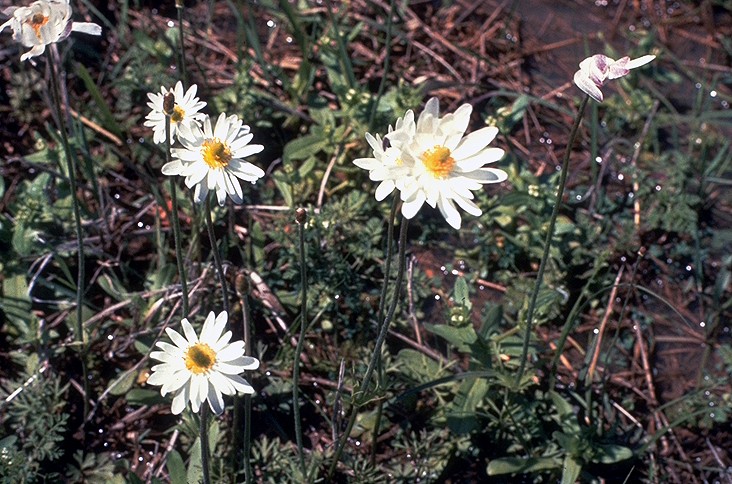 Anemone carolinianaAnemone caroliniana 149773399Anemone caroliniana Arkansas
Overview
Anemone caroliniana is a plant species. GBIF holds 3,502 occurrence records across 2 countries. Its records concentrate in United States, India.
Life cycle
From seed to productSeed tuber
Healthy **seed tubers** are cut into pieces with 2–3 eyes (or small tubers planted whole) and set in moist soil.
Tuber sprouting
Eyes break dormancy and shoots emerge while the root system develops.
Growth & flowering
The plant blooms with **pale purple or white flowers, March–May**; pollination is by insects and wind.
New tubers & harvest
The plant matures and blooms profusely in season; **blooms in early spring; tubers divided after flowering**.
Distribution & origin
Share of recorded occurrences by region- United States99%
- India1%
Habitat & conservation
Anemone caroliniana is found growing in dry prairies, barrens and open rocky woods.
References
- 1Anemone caroliniana — Wikipedia — Wikipedia (CC BY-SA 4.0), 2026
- 2Plant Name Details for ''Anemone caroliniana'' — Wikipedia,
- 3Name - ''Anemone caroliniana'' Walter, subordinate taxa — Missouri Botanical Garden,
- 4Name - ''Anemone caroliniana'' fo. ''violacea'' Clute — Missouri Botanical Garden,
- 5GBIF — occurrence records of Anemone caroliniana — GBIF, 2026
- 6Hình ảnh — Wikimedia Commons (5 ảnh, giấy phép CC/PD) — Wikimedia Commons, 2026