

Anemarrhena
Anemarrhena asphodeloides Bunge
Anemarrhena is a plant genus in family Asparagaceae, subfamily Agavoideae. It has only one species, Anemarrhena asphodeloides, native to China and Mongolia.
No ratings yet — be the first!
Gallery
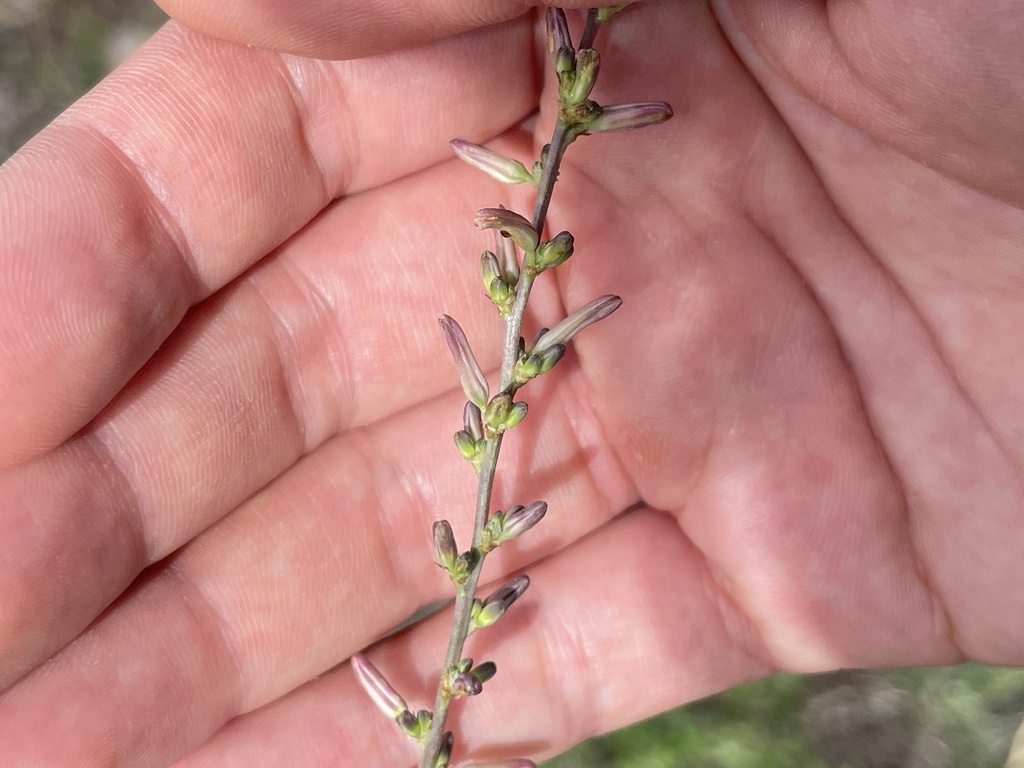 AnemarrhenaAnemarrhena
 Anemarrhena
 Anemarrhena
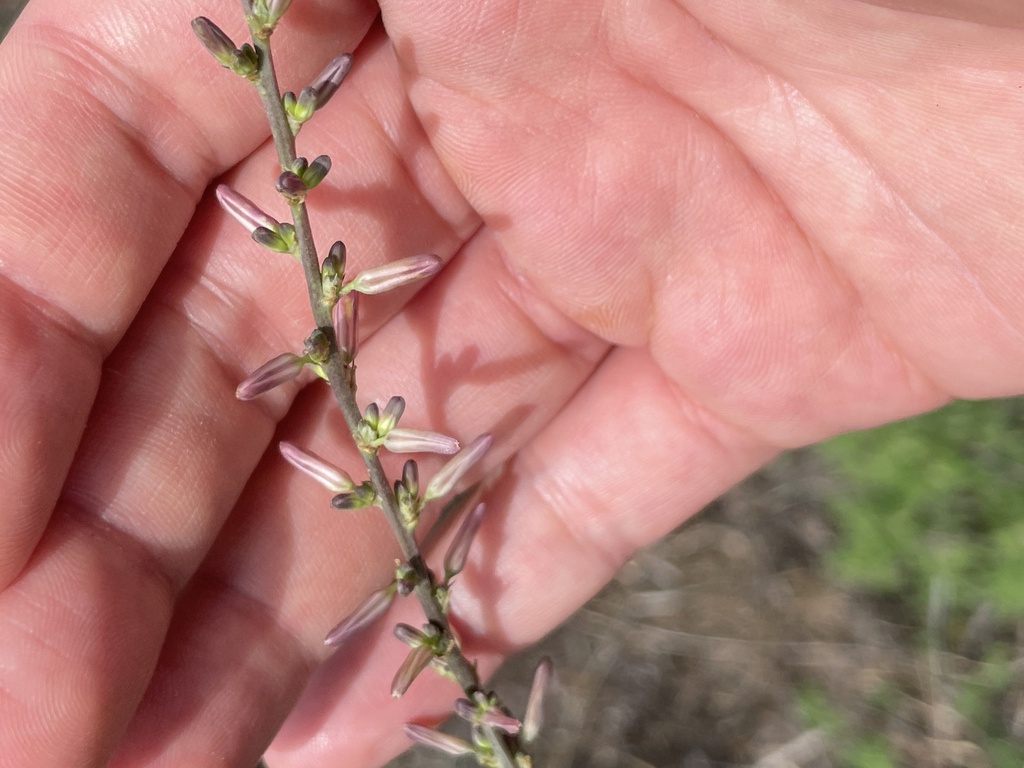 AnemarrhenaAnemarrhenaAnemarrhena
Overview
Anemarrhena is a plant genus in family Asparagaceae, subfamily Agavoideae. It has only one species, Anemarrhena asphodeloides, native to China and Mongolia. Some authors have placed it in its own family, Anemarrhenaceae.
Updated by lebachungtdh@gmail.com · 10/15/2026
Life cycle
From seed to productRhizome planting
One- to two-year-old **rhizomes** are cut into 2–3-bud setts, treated against rot and planted where drainage is good.
Sprouting
The rhizome roots down and shoots push through the soil; the plant begins photosynthesising and storing reserves.
Growth & flowering
In season the plant opens **pale purple tubular flowers, May–July**, adding colour and nectar for insects.
New rhizomes & harvest
After a full growing season the plant retreats to its storage organ; **three-year-old rhizomes dug in autumn**.
Uses
- Nourishes yin, clears heat and fire.
- Moistens dryness; used for fever and thirst.
- Relieves cough from lung heat.
- Calms restlessness.
- Used to support diabetes and fluid balance.
Habitat & conservation
It has only one species, Anemarrhena asphodeloides, native to China and Mongolia.
Conservation
Anemarrhena has not been assessed by the IUCN Red List (NE). As a medicinal plant, it benefits from sustainable collection and propagation to protect wild genetic resources.
References
- 1Wikipedia – Anemarrhena — Wikipedia,
- 2Kew POWO – Anemarrhena asphodeloides — Plants of the World Online (Kew),
- 3Wikidata – Q4379 — Wikidata,